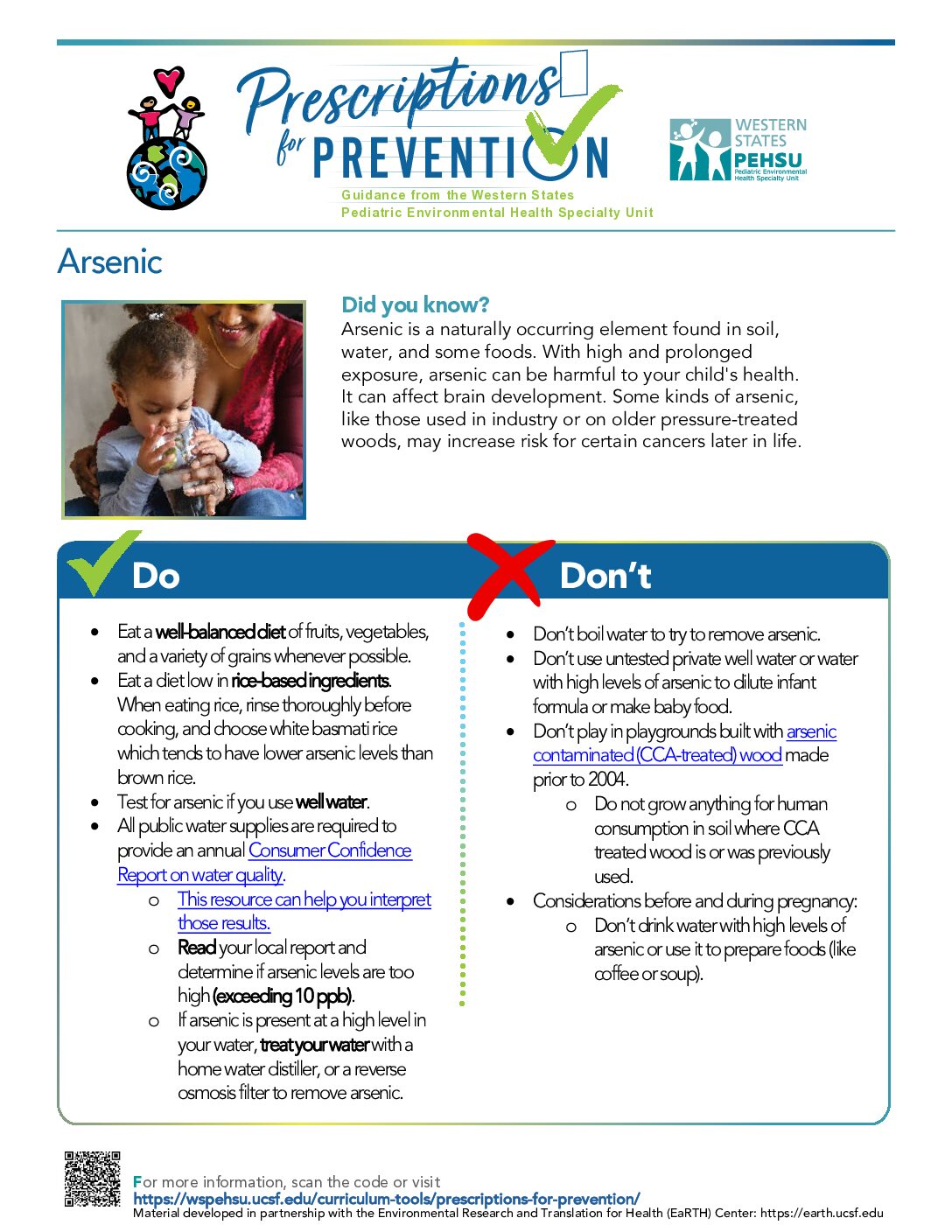
This document addresses arsenic exposure, its sources (such as contaminated water and certain foods), health effects, and preventive strategies to minimize risk. It emphasizes the importance of testing water sources and being aware of dietary intake.
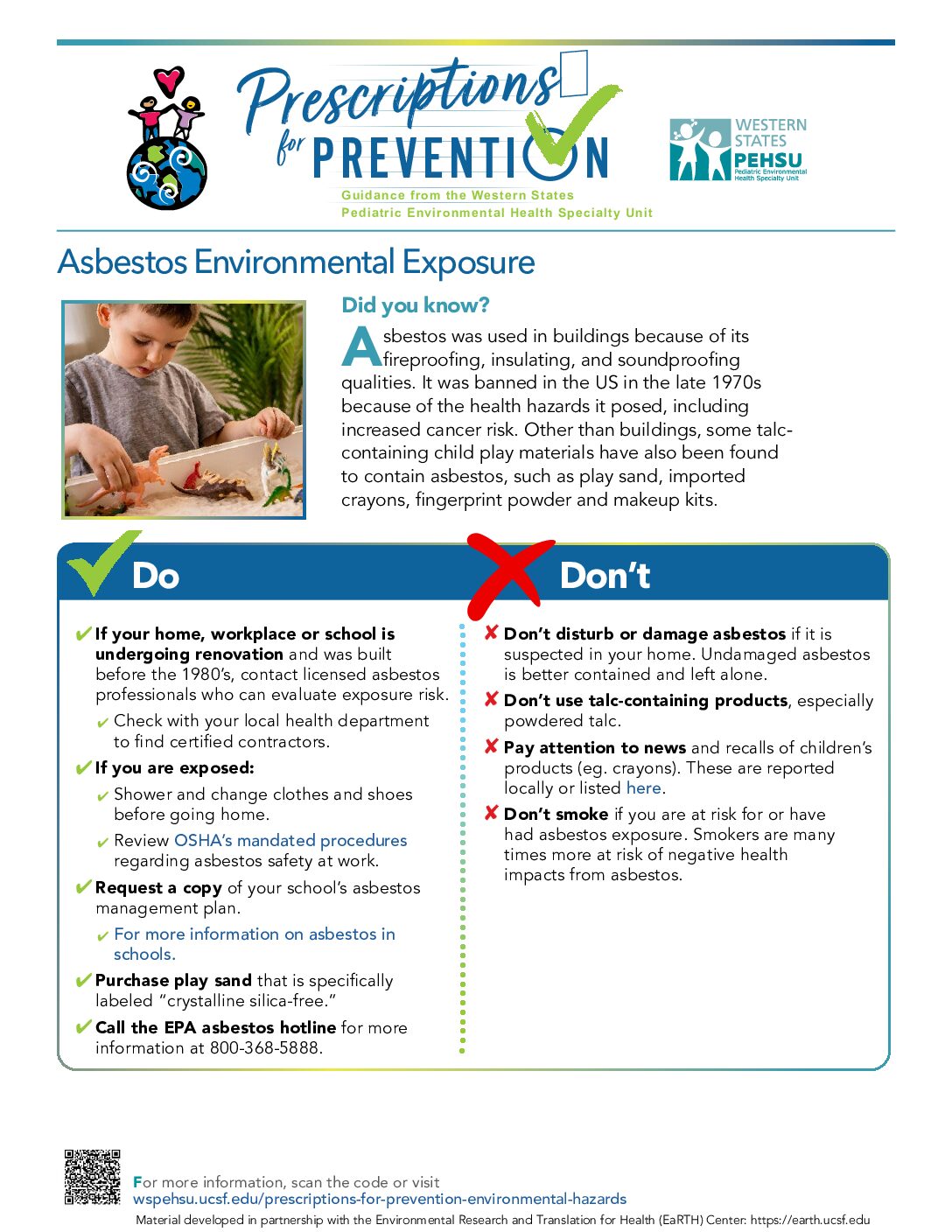
This factsheet outlines the hazards of asbestos exposure, commonly found in older building materials. It details health risks like lung diseases, identifies potential asbestos-containing materials, and advises on safe handling and abatement procedures.
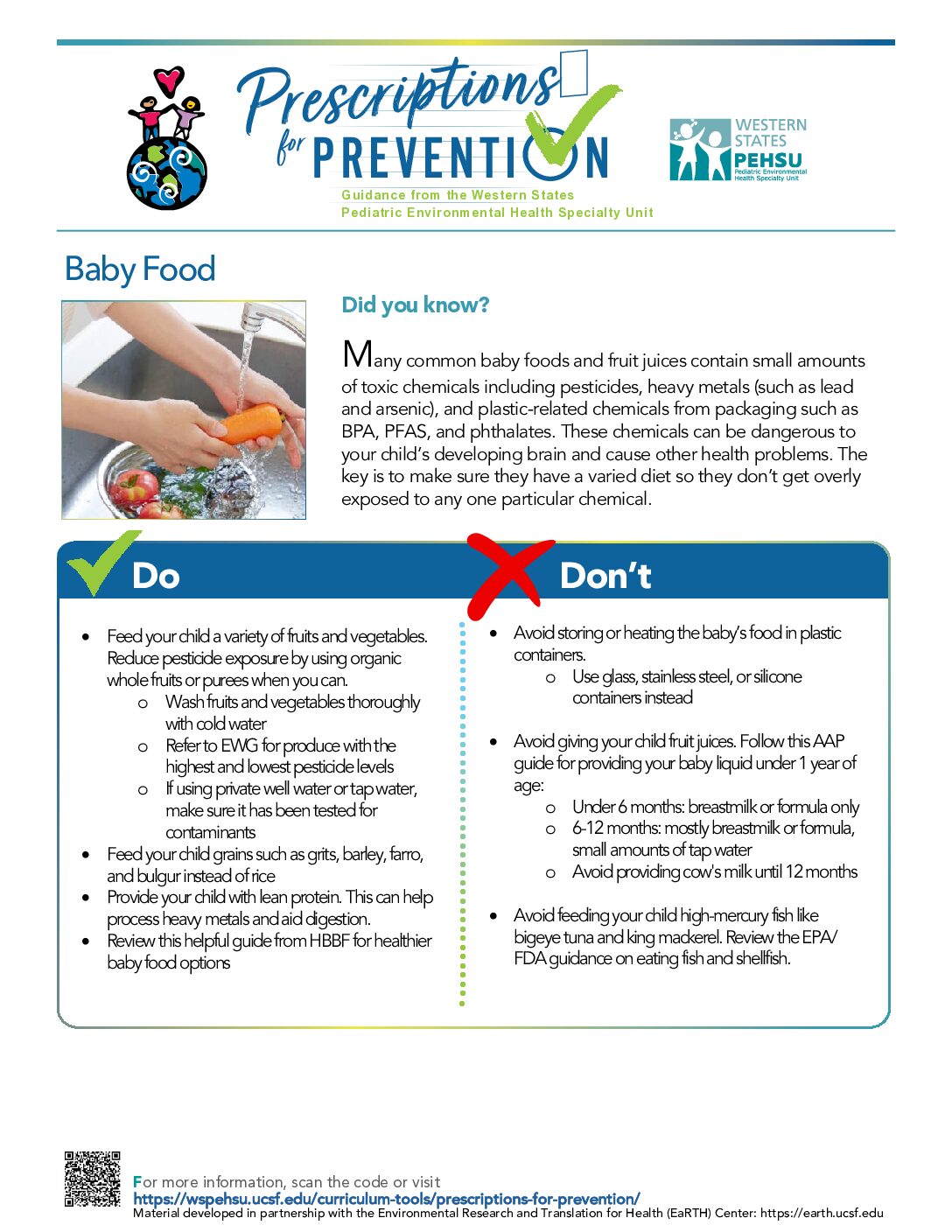
This document examines the presence of contaminants like heavy metals in baby food, potential health impacts on infants, and recommendations for parents to reduce exposure. It suggests diversifying diets, organic produce, and choosing products tested for contaminants.
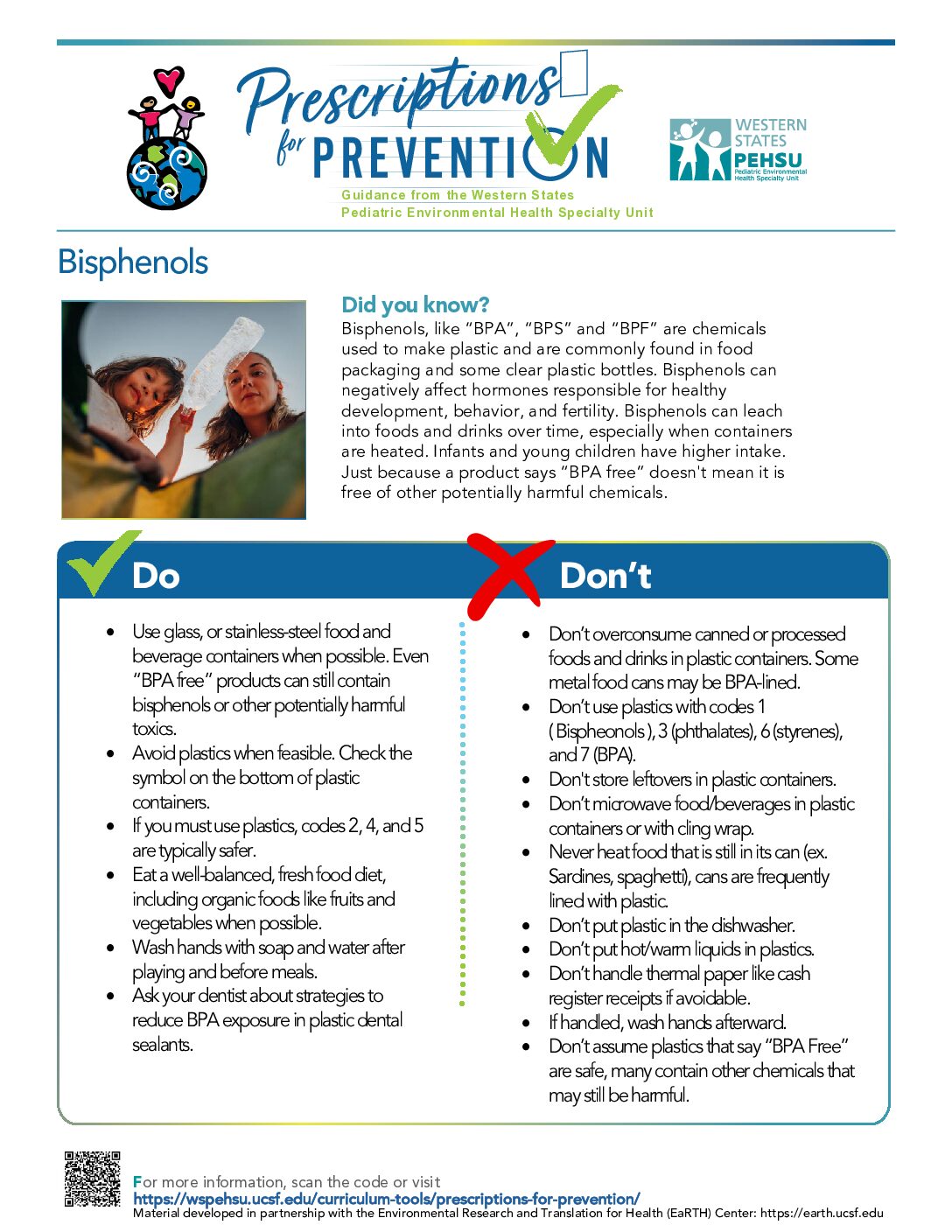
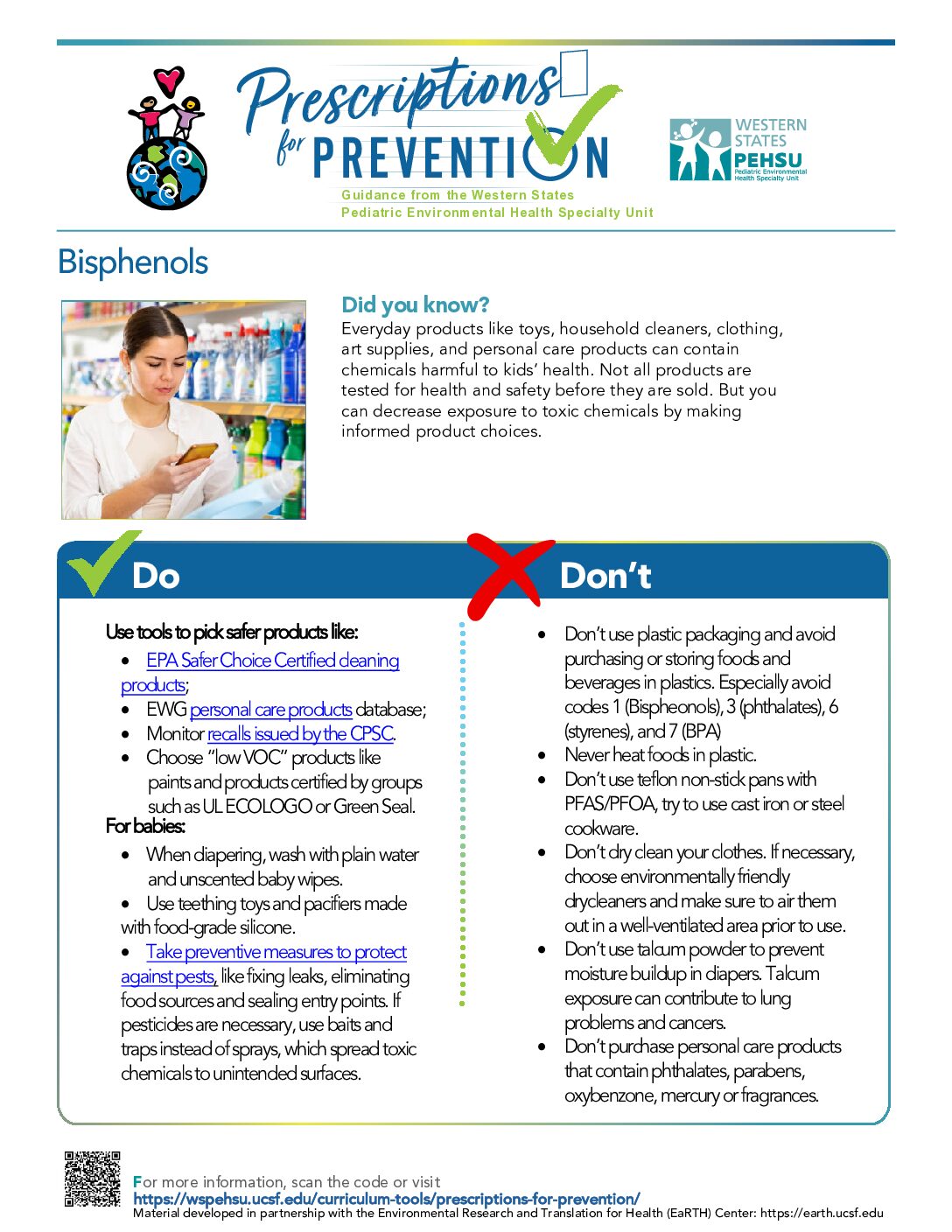
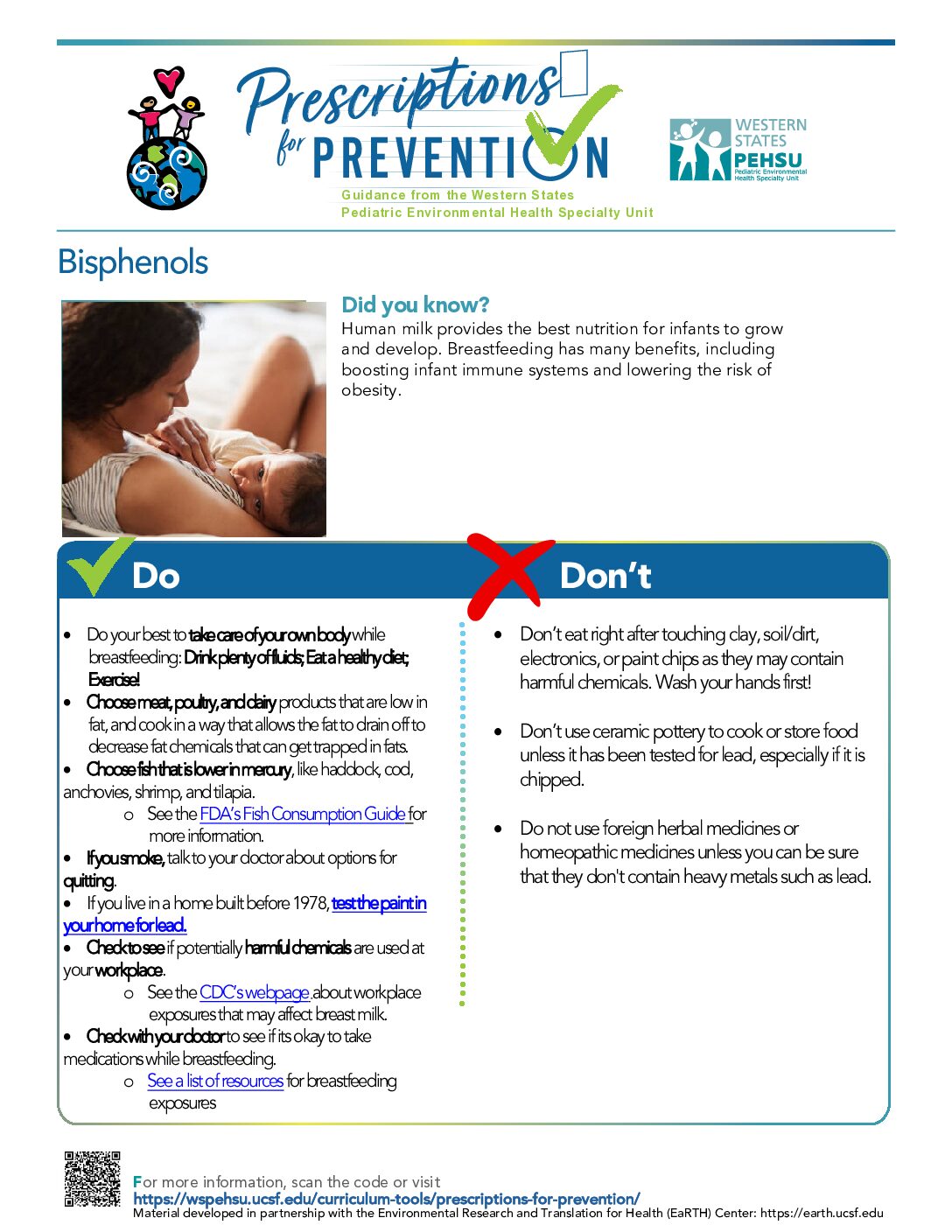
This factsheet focuses on environmental exposures of Bisphenols (BPA, BPS, BPF), which are chemicals used in plastics and resins. It discusses sources of bisphenol exposure, associated health concerns, and tips to limit contact, such as using non-plastic products.
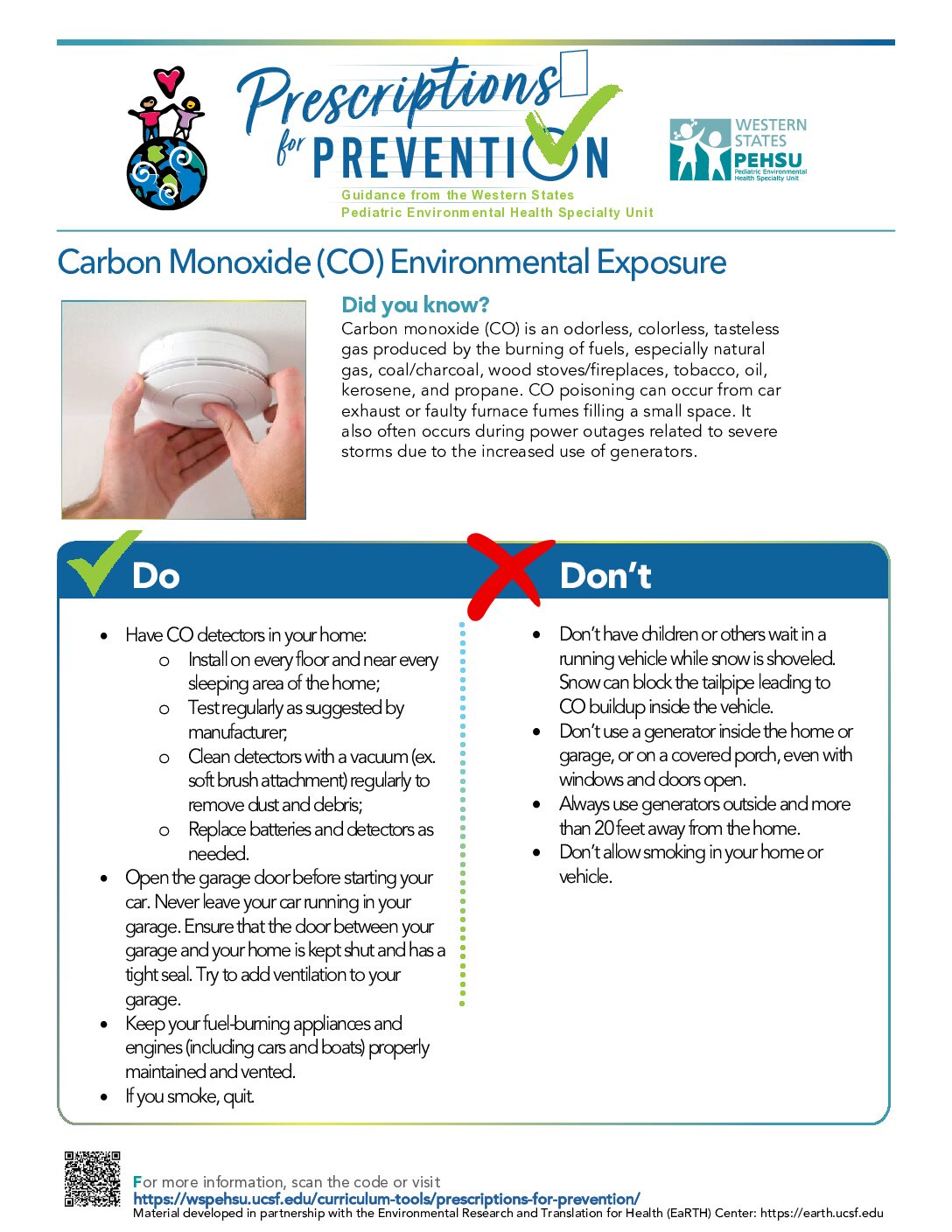
Carbon Monoxide (CO) Environmental Exposure: This factsheet highlights the dangers of carbon monoxide—a colorless, odorless gas produced by burning fuels—and offers preventive measures such as installing CO detectors and ensuring proper ventilation to prevent poisoning.
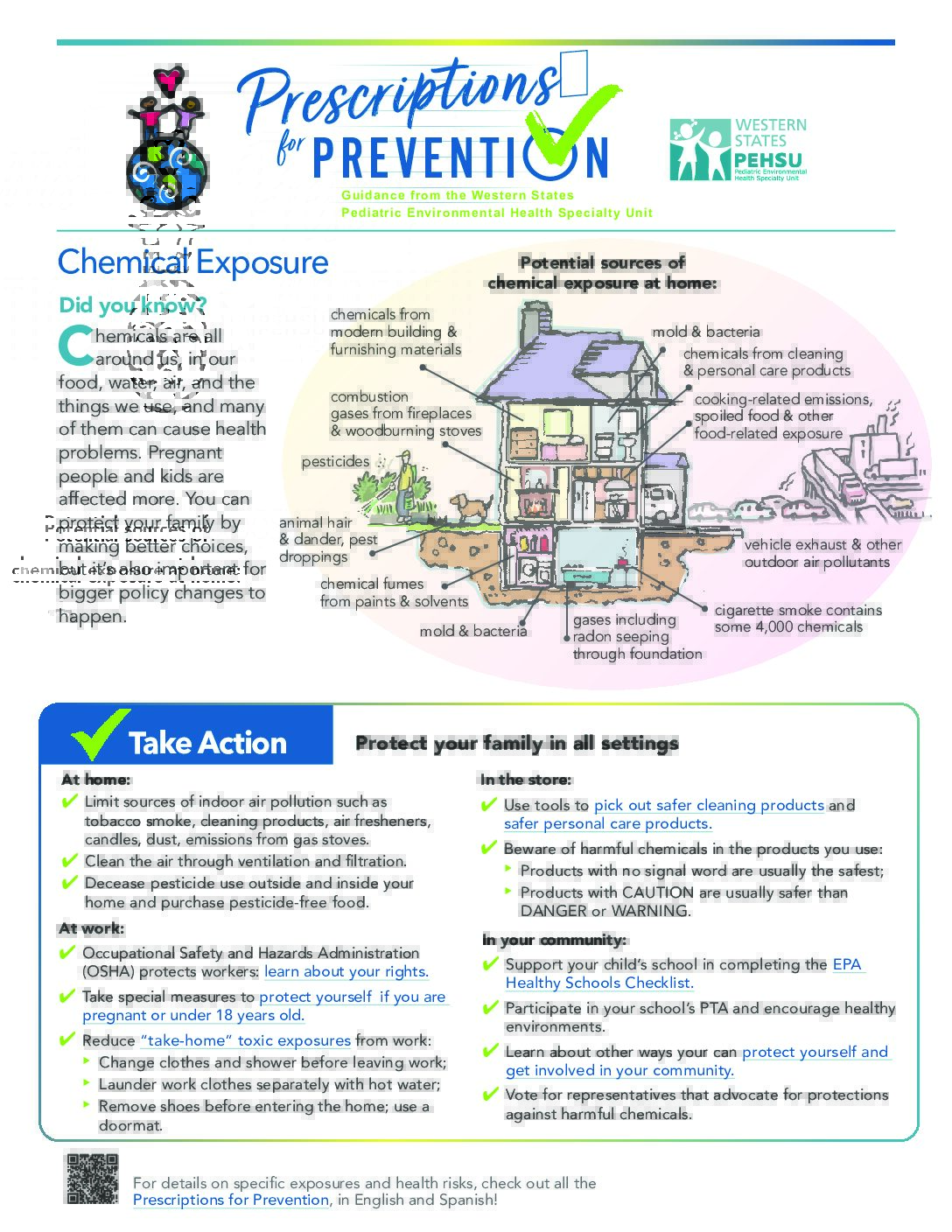
This document provides an overview of health risks from chemical exposures in everyday environments, with a focus on prevention strategies and safer alternatives.
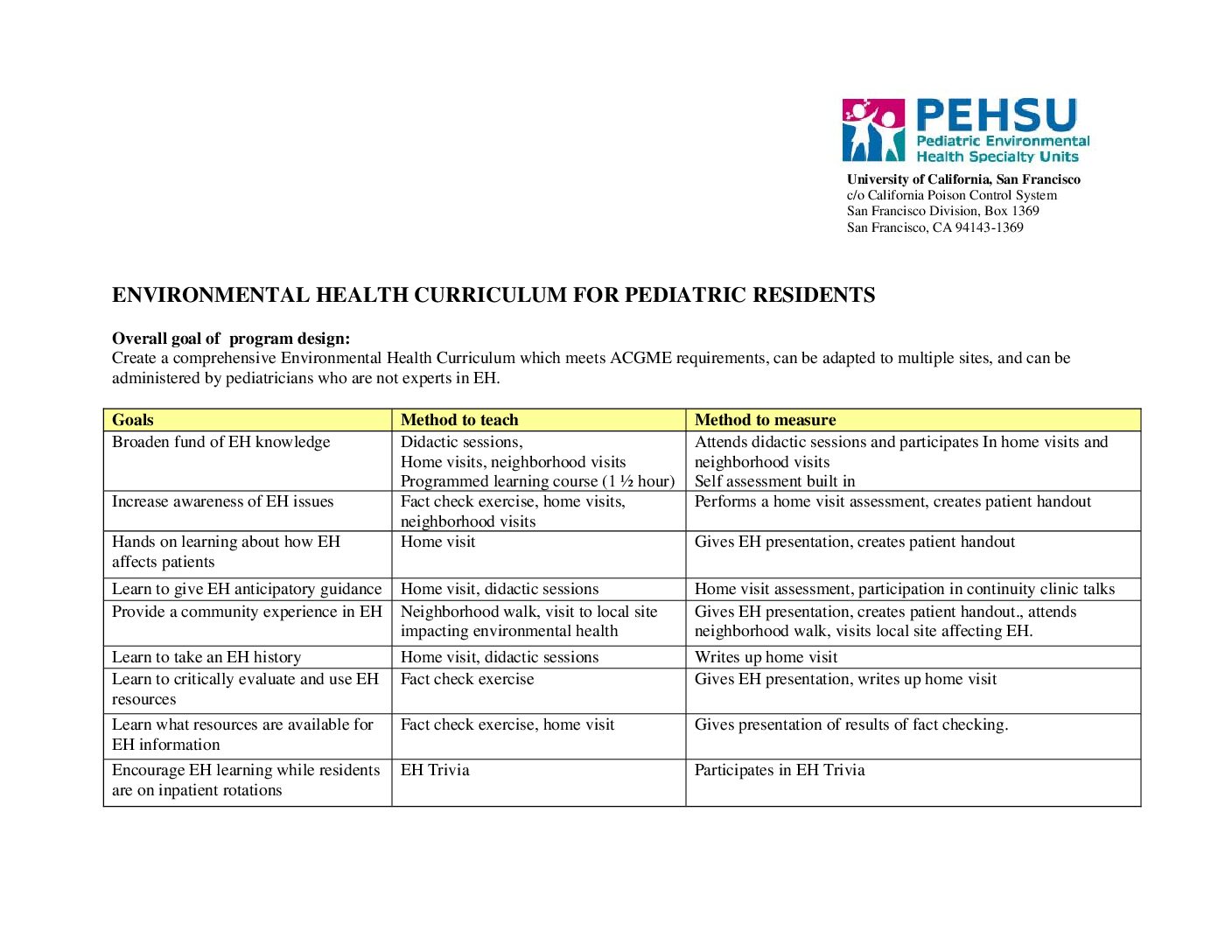
This document addresses topics related to pediatric environmental health, such as the impact of environmental exposures on children’s health, strategies for prevention, and recent research findings in this field.
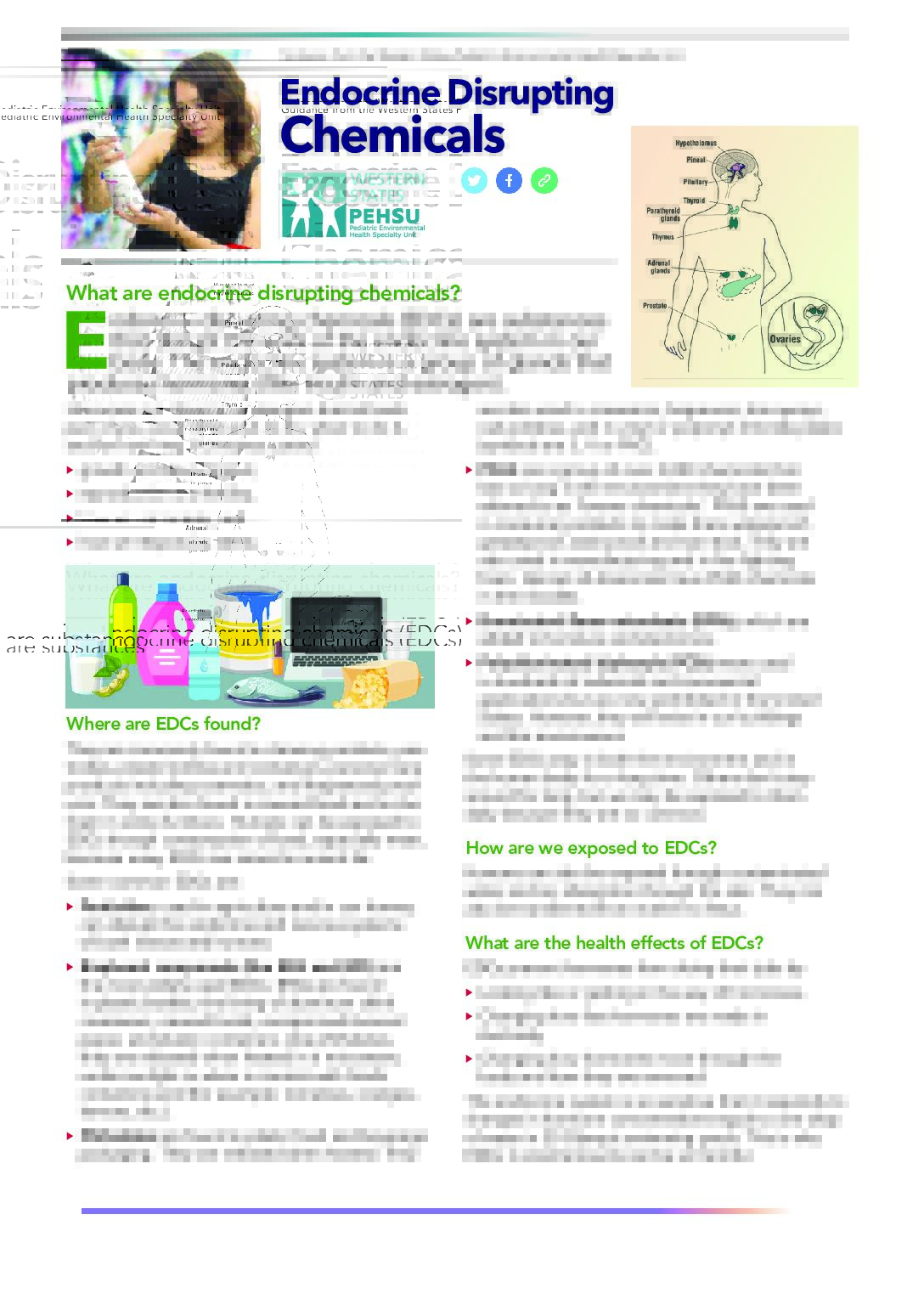
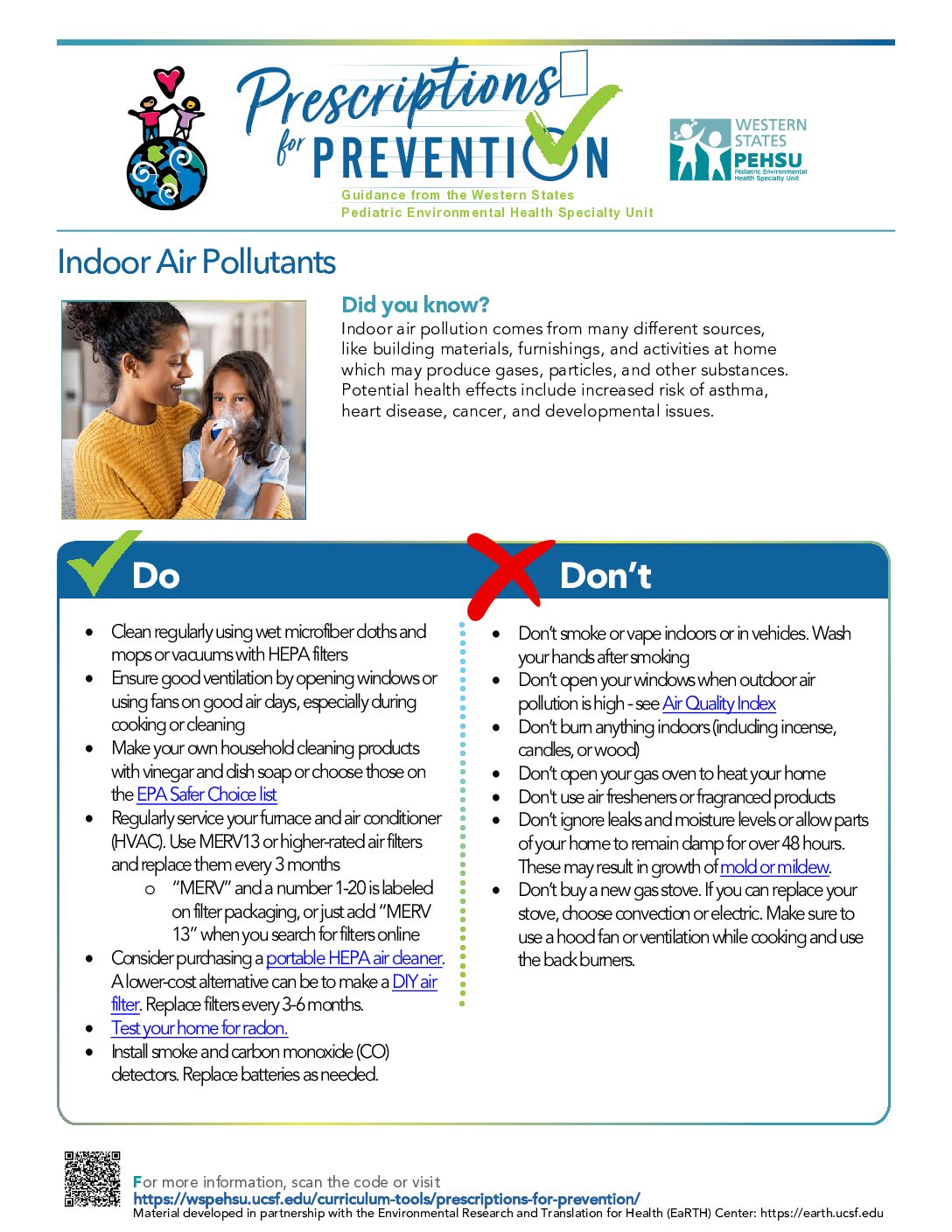
Consumer Products: This document discusses potential chemical hazards in everyday consumer products, such as hormone disruptors, advising the use of safer alternatives and providing resources to make informed choices to reduce exposure to harmful substances.
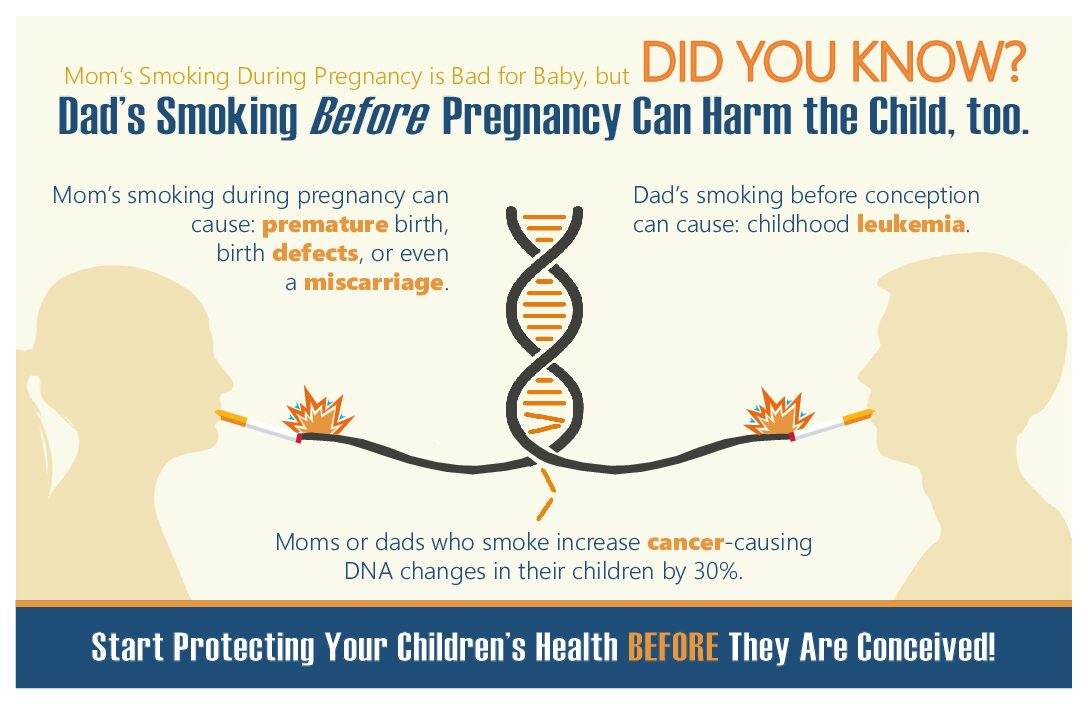
This document explores that while maternal smoking during pregnancy can lead to premature birth, birth defects, or miscarriage, paternal smoking before conception can increase the risk of childhood leukemia and cancer-causing DNA changes in offspring.
This handout offers guidance on constructing a DIY air purifier using a box fan and air filters. It includes step-by-step instructions, materials needed, and safety tips to improve indoor air quality, especially during events like wildfires.
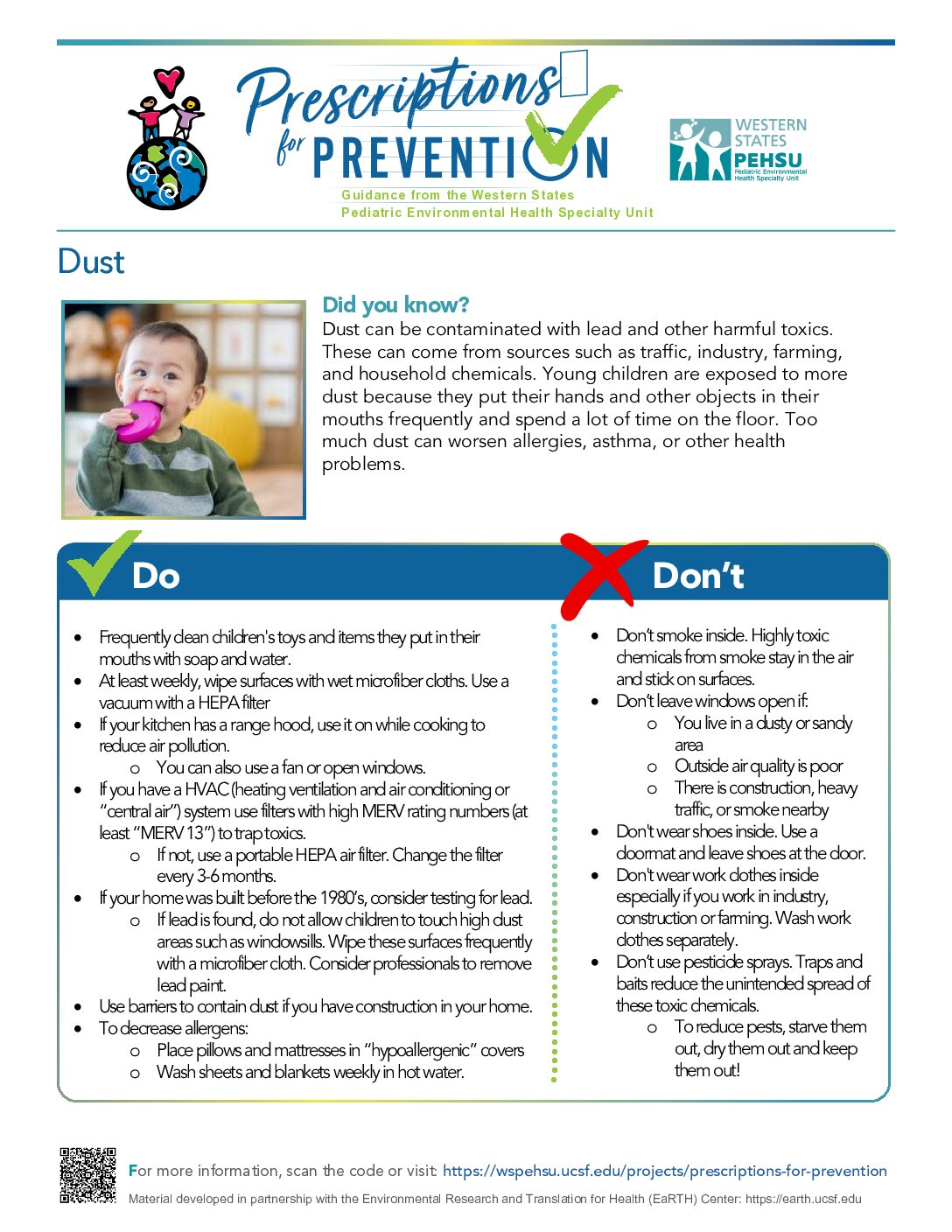
Dust: This factsheet addresses the health risks associated with household dust, which can contain harmful contaminants, and recommends frequent cleaning practices to minimize exposure, especially for children.
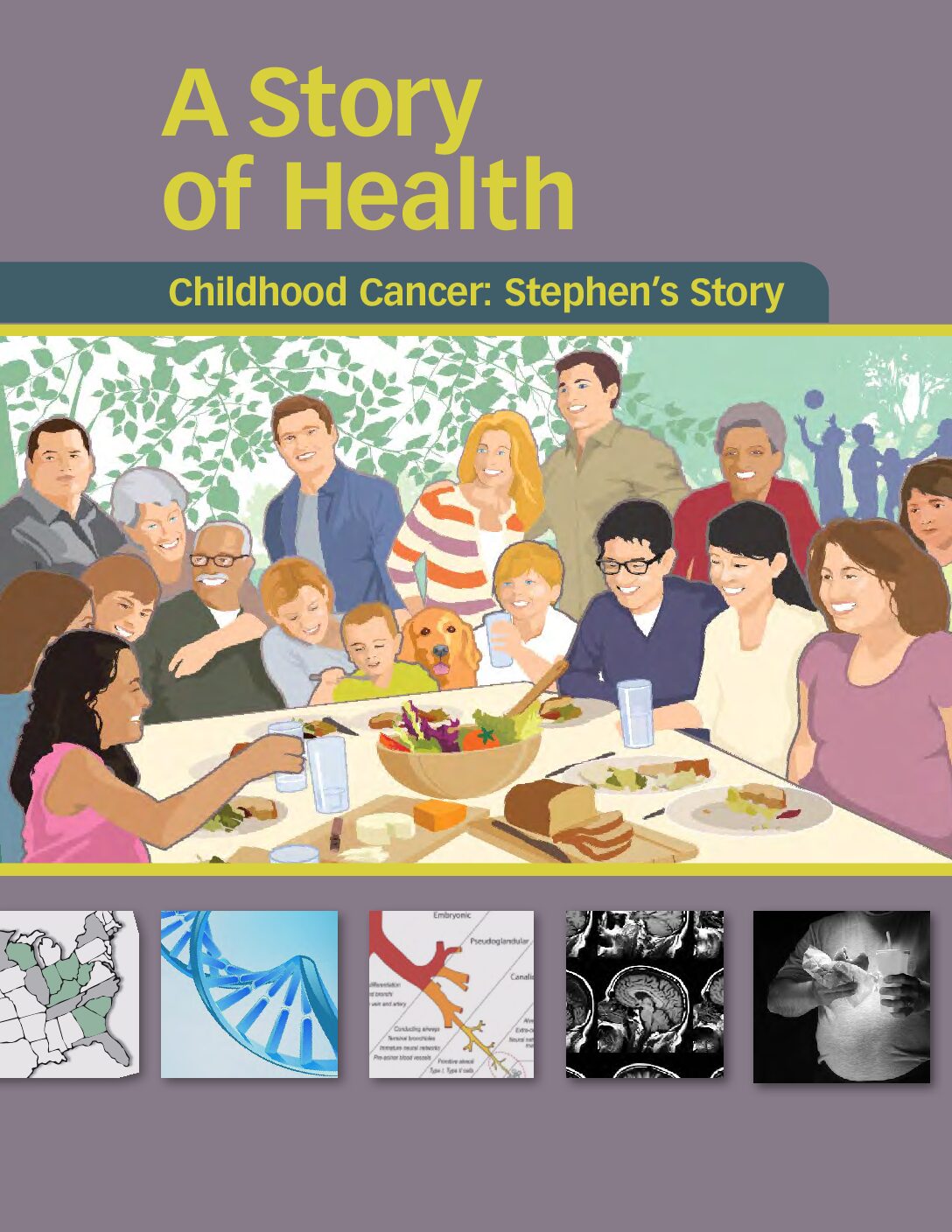
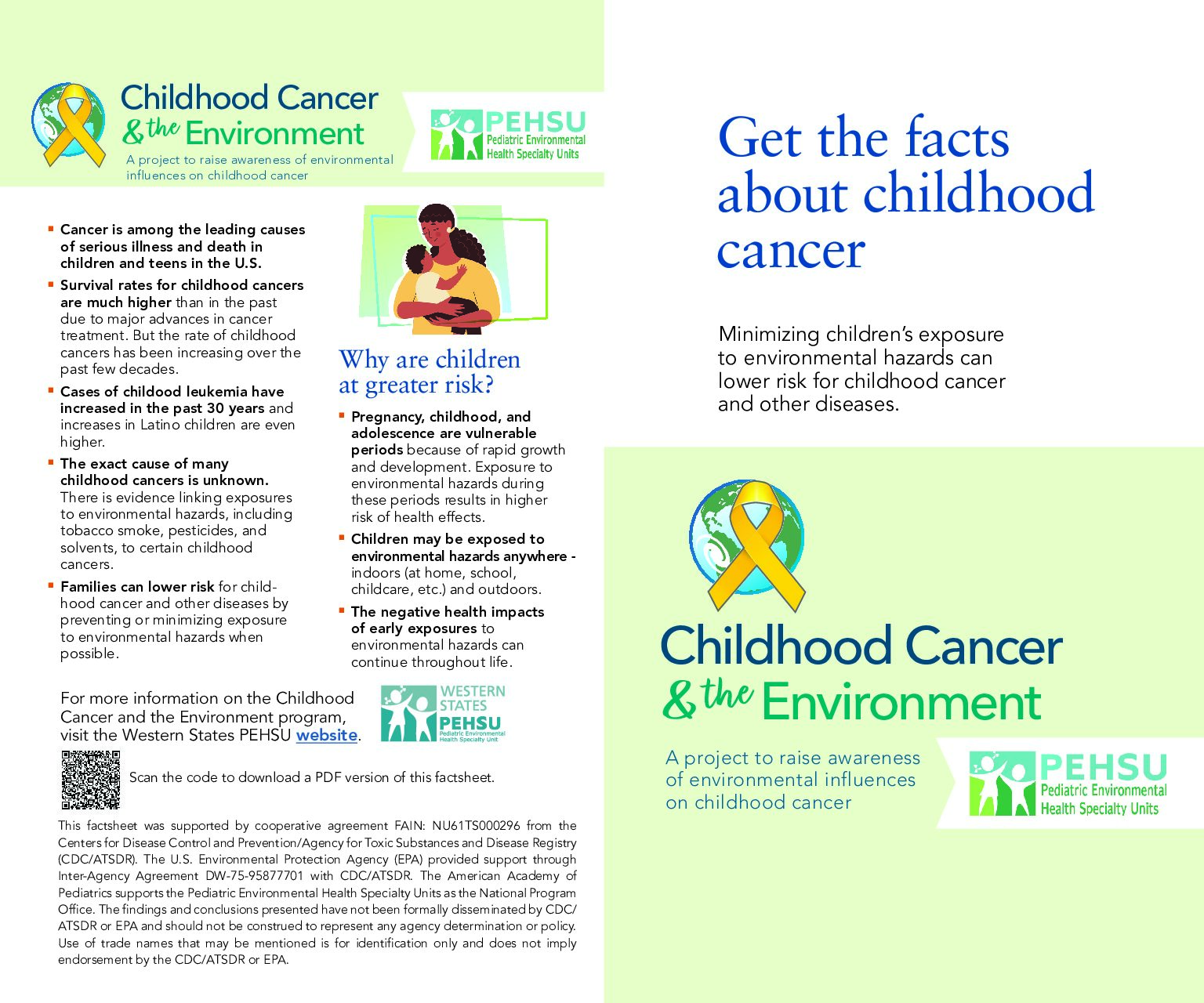
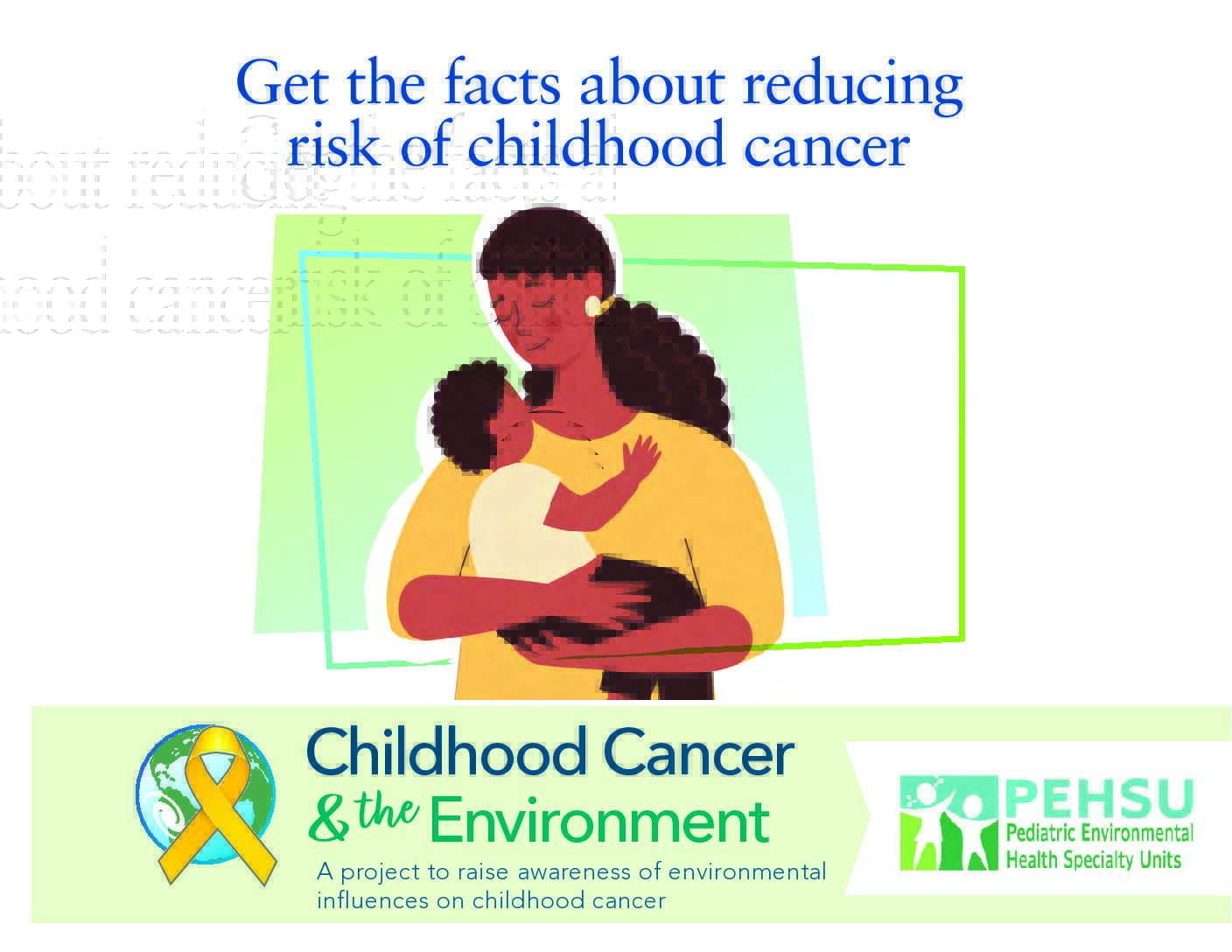
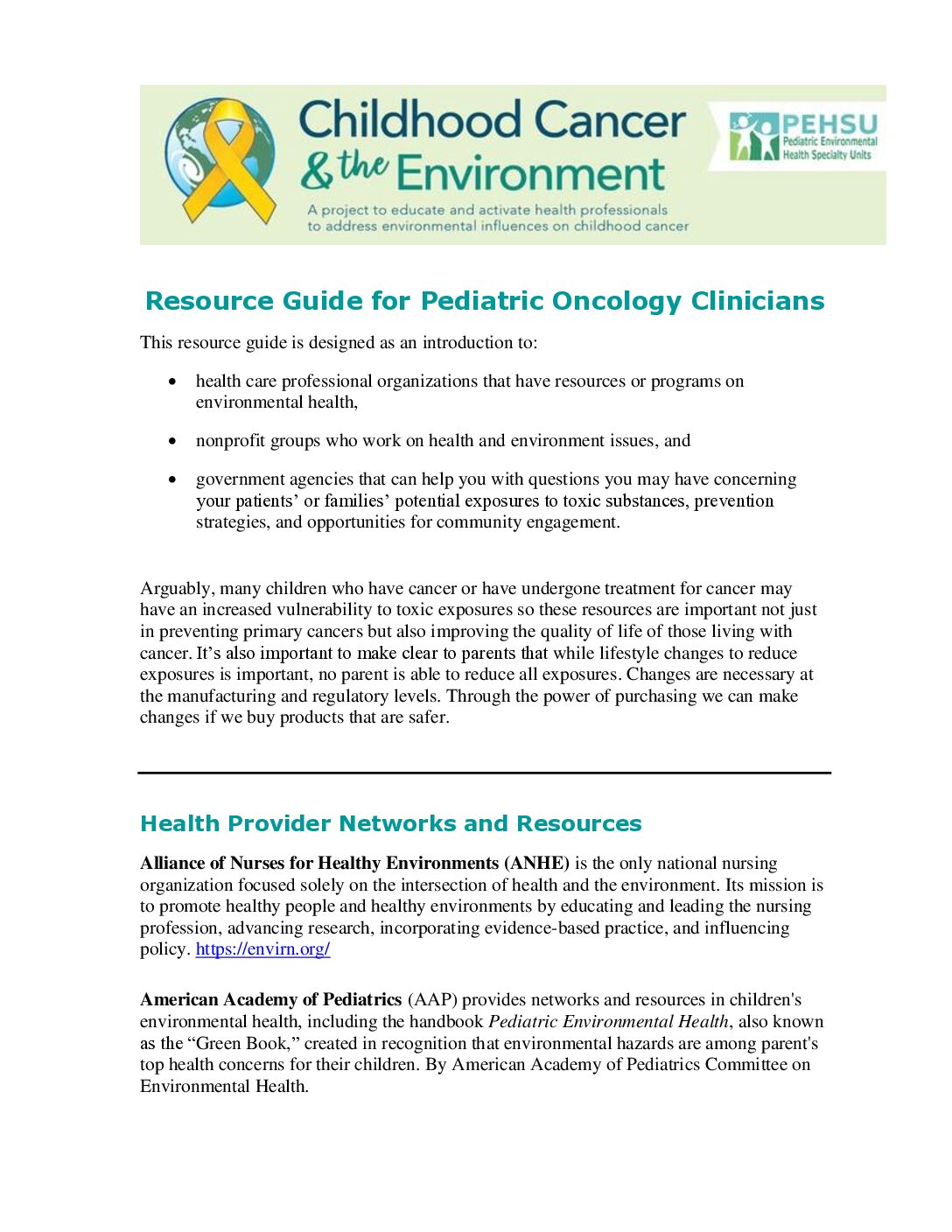
This document provides educational activities for healthcare workers to teach families about reducing childhood cancer risks from environmental exposures.
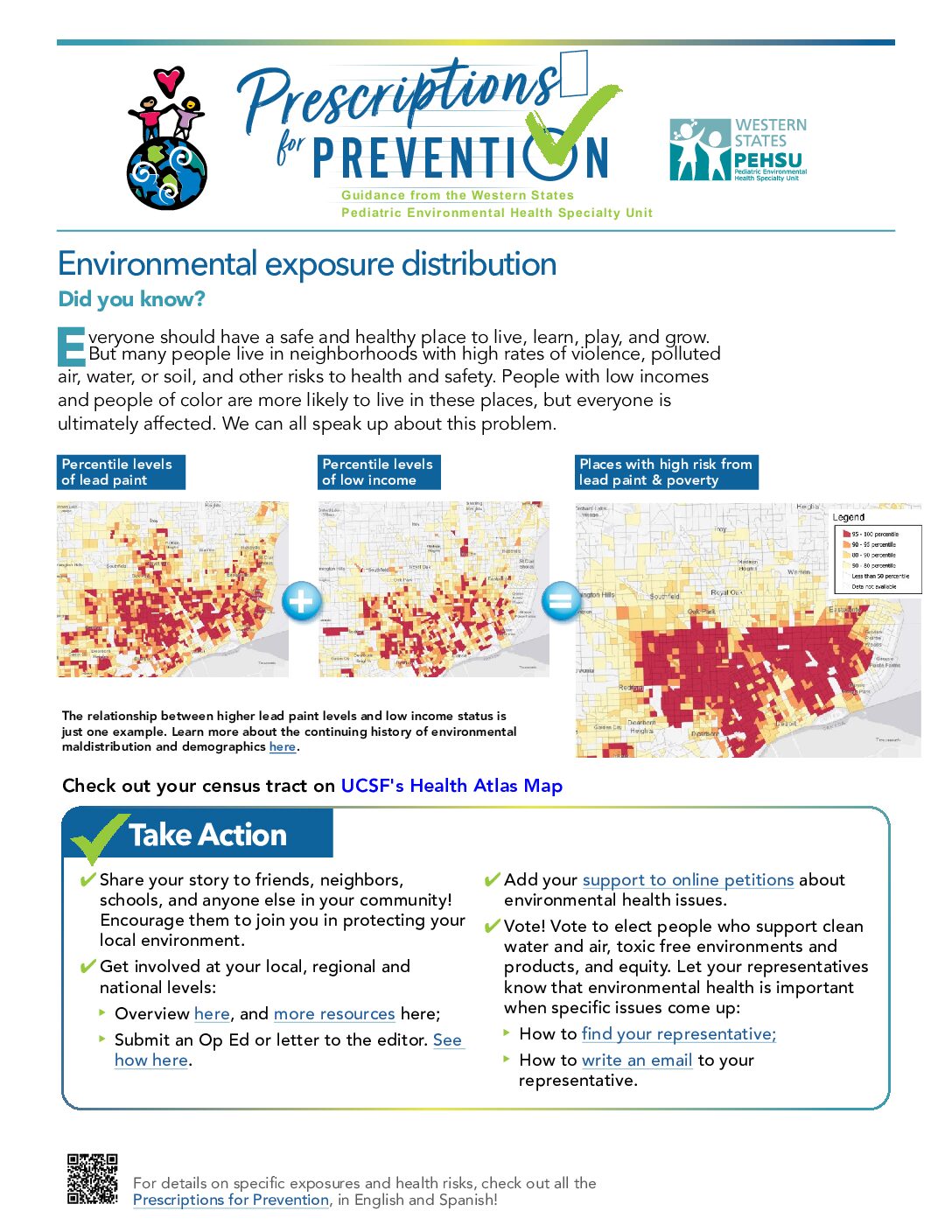
This factsheet discusses the disproportionate environmental health burdens faced by marginalized communities and advocates for improved policies and protections.
An environmental history form designed to assist healthcare providers in assessing patients’ exposure to various environmental hazards, aiding in the identification of potential health risks linked to environmental factors.
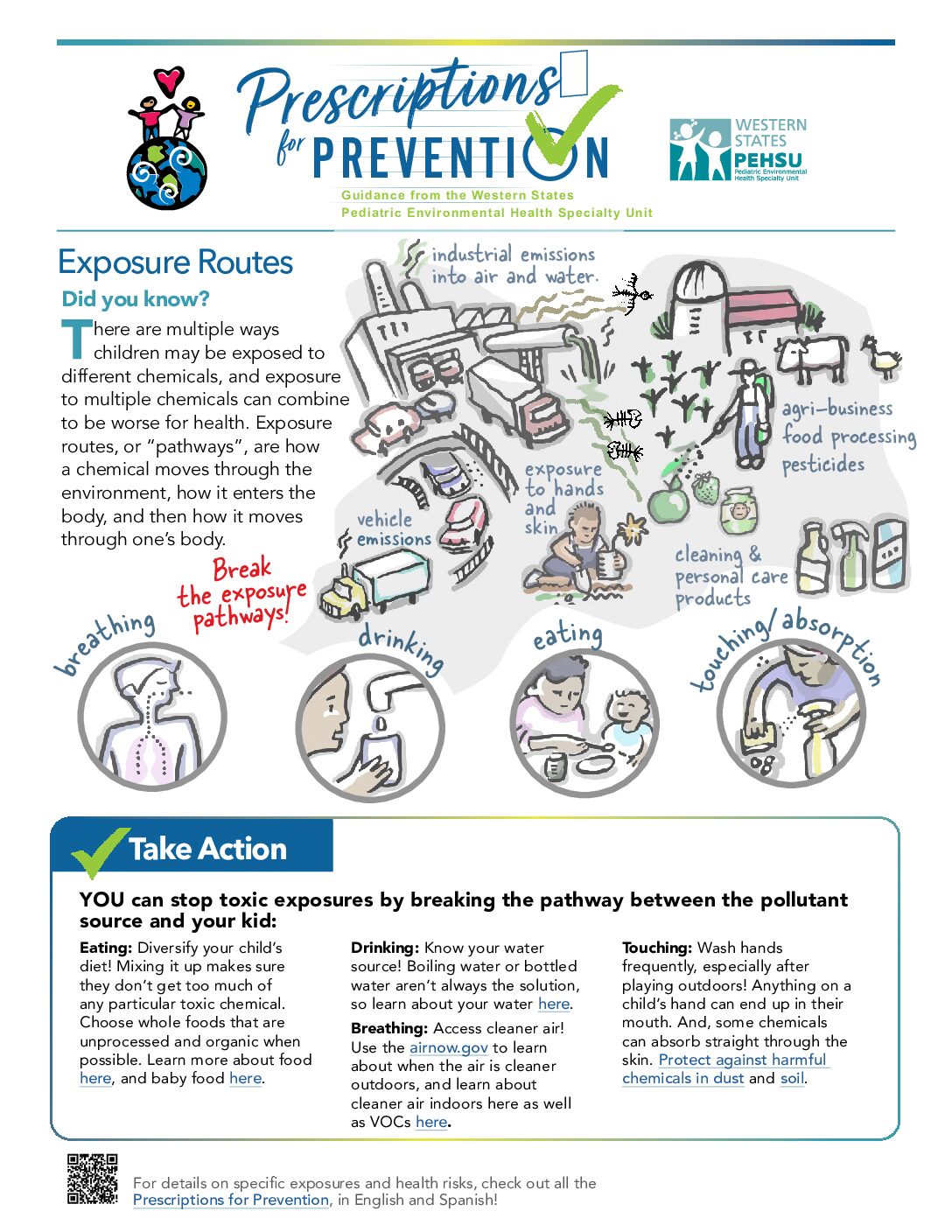
This resource explains the main routes of environmental exposure—ingestion, inhalation, and dermal contact—and provides strategies to minimize risks across different settings.
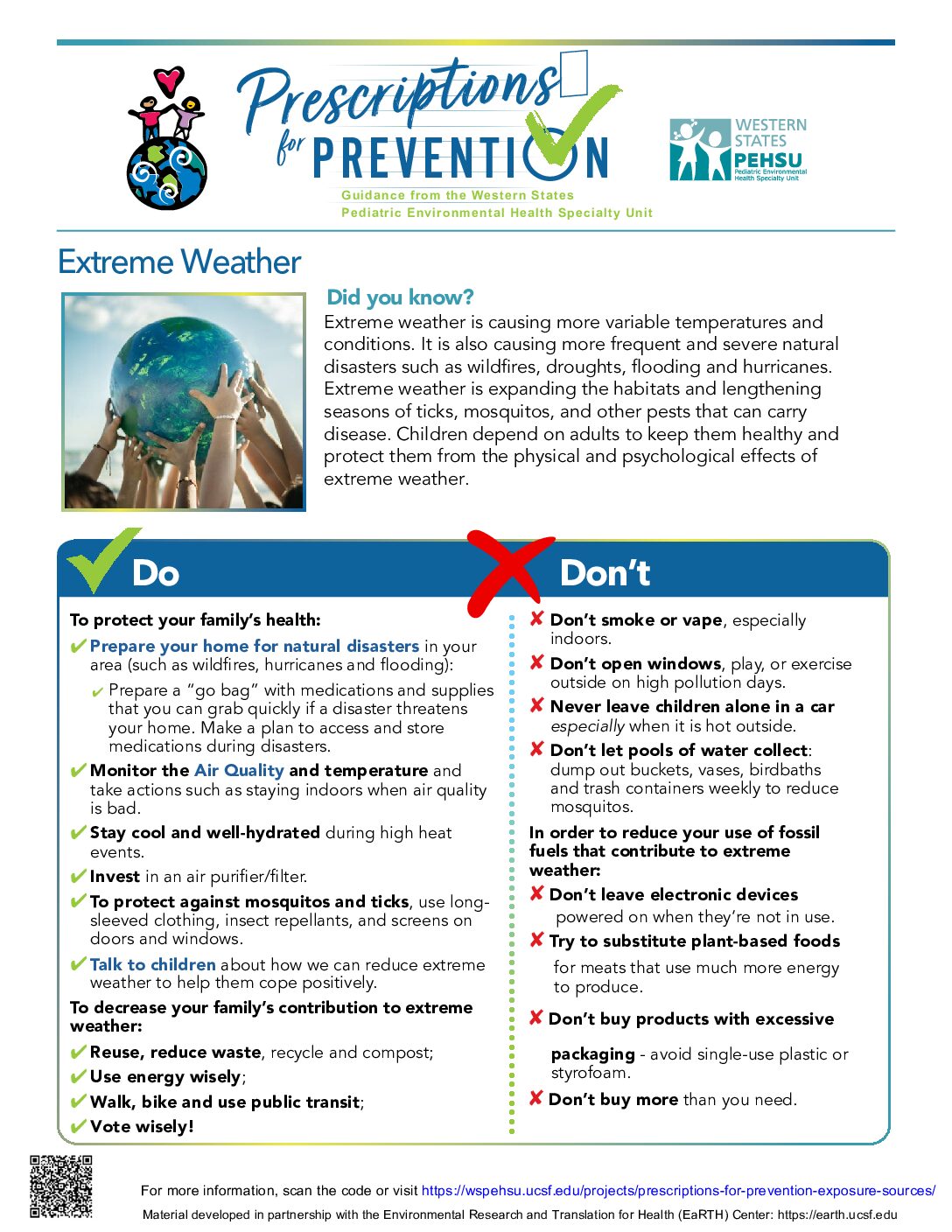
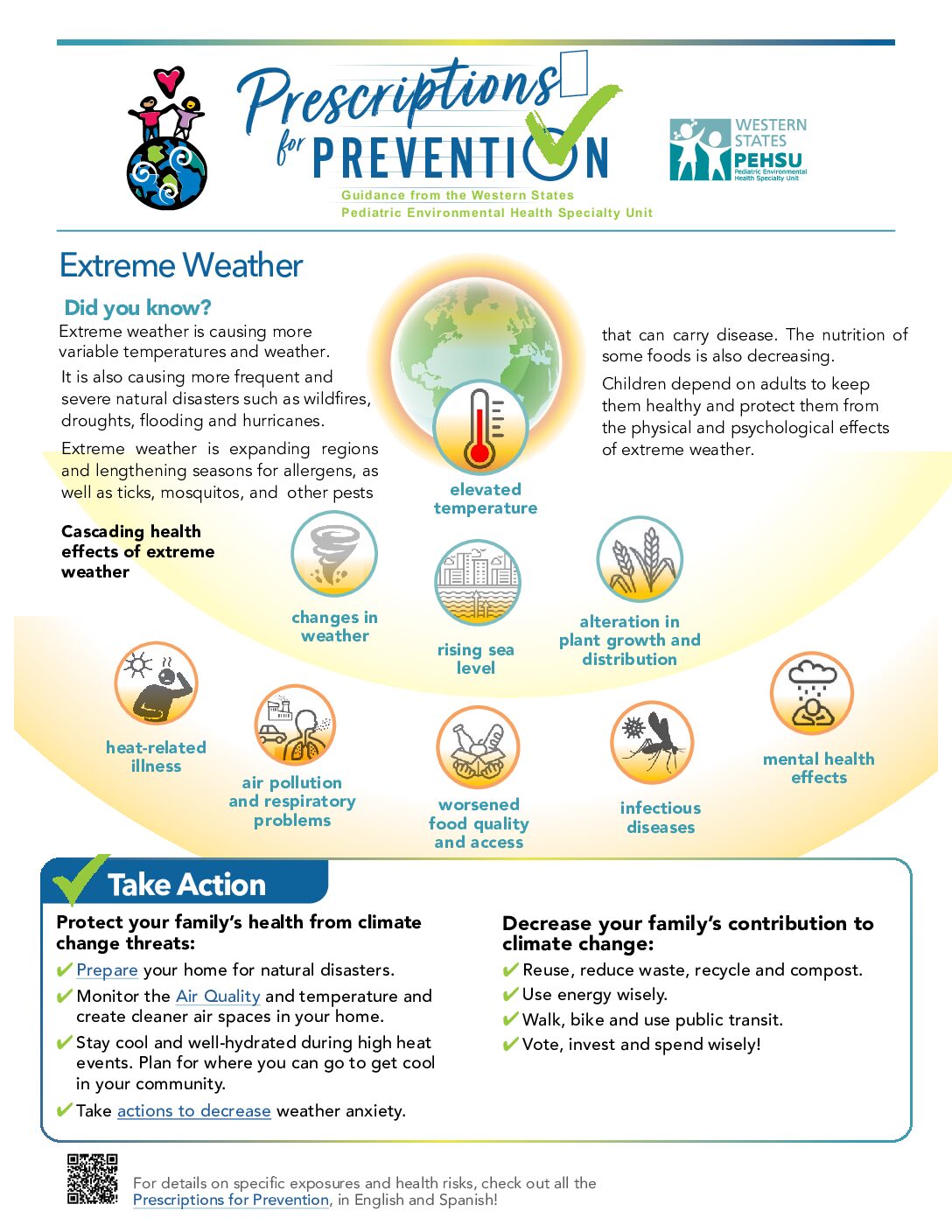
This PDF provides a fact sheet highlighting the impacts of extreme weather on children’s health and offers actionable prevention strategies for healthcare providers, educators, and communities.
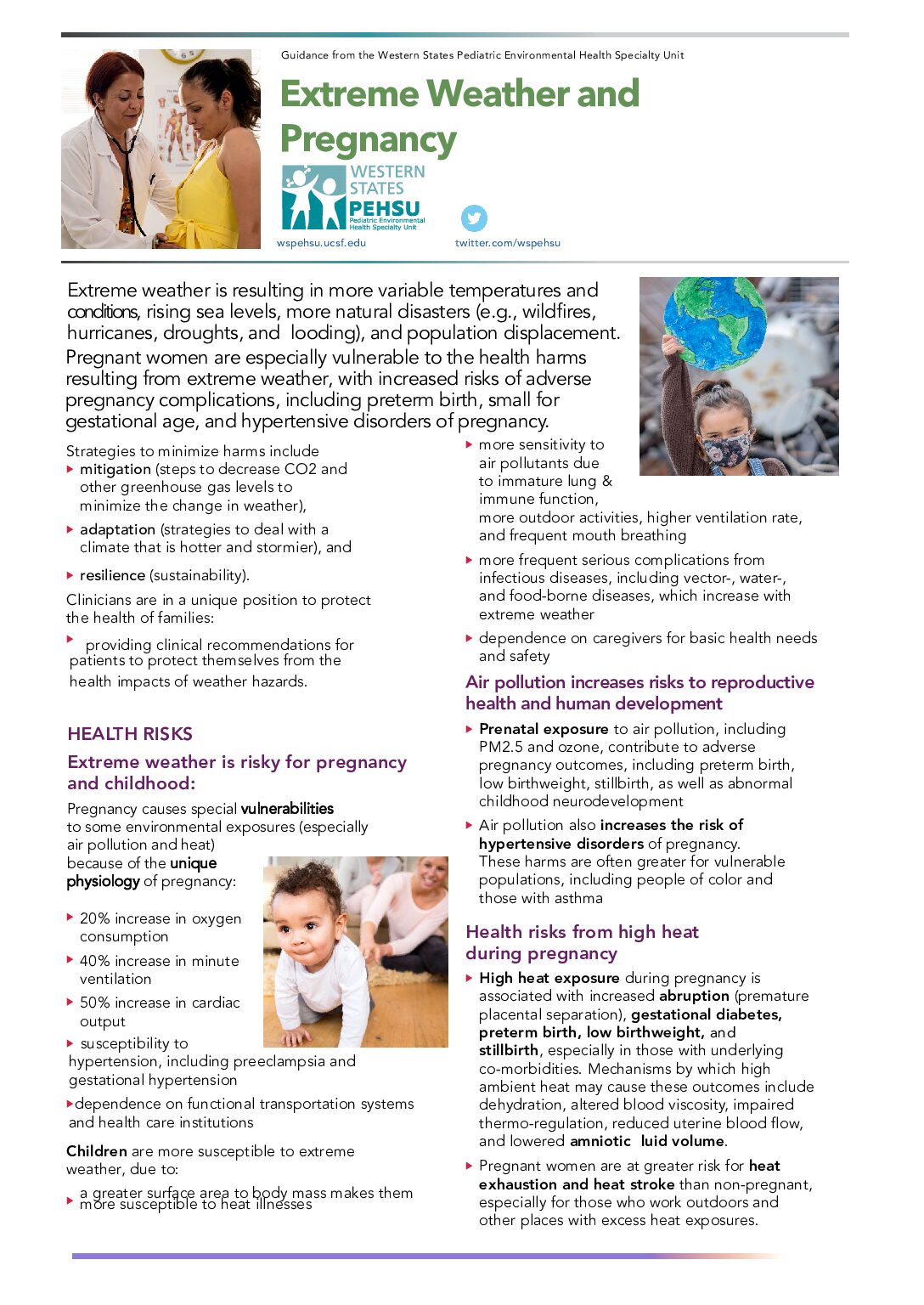
This document highlights the health impacts of extreme weather, such as heat stress and air pollution, and emphasizes the need for mitigation and adaptation strategies to protect vulnerable populations.
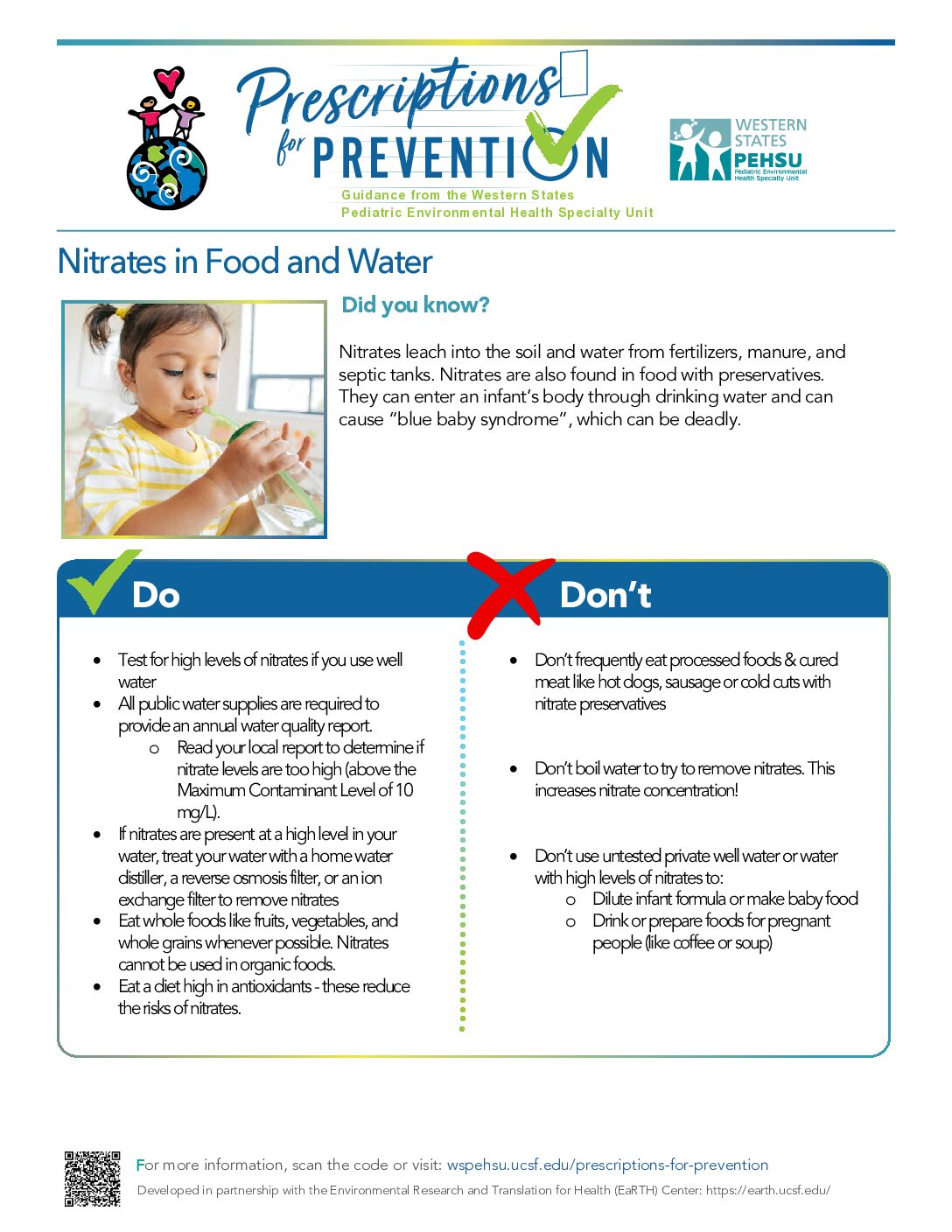
Food and Water contamination: This document explains how nitrates from fertilizers, pesticides and preservatives can contaminate food and water, posing health risks to babies and suggests testing water sources in certain circumstances, and dietary precautions to reduce exposure.
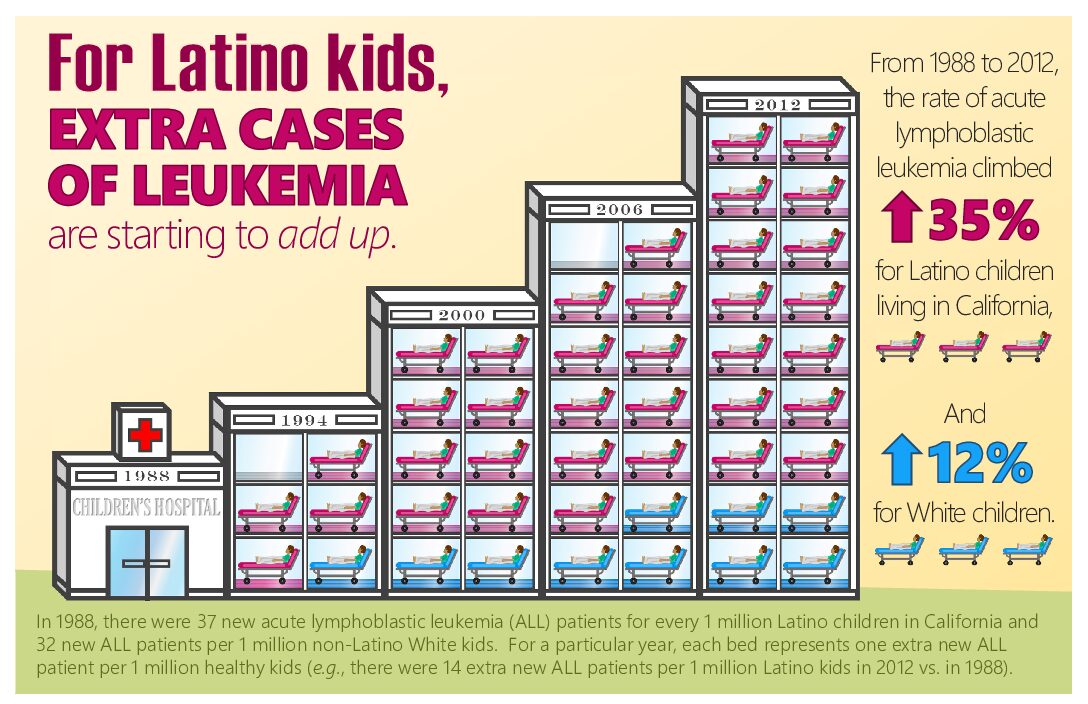
This document illustrates that, between 1988 and 2012, the incidence of acute lymphoblastic leukemia (ALL) among Latino children in California increased by 35%, surpassing rates in non-Latino White children, with environmental pollution and potential genetic factors contributing to this disparity.
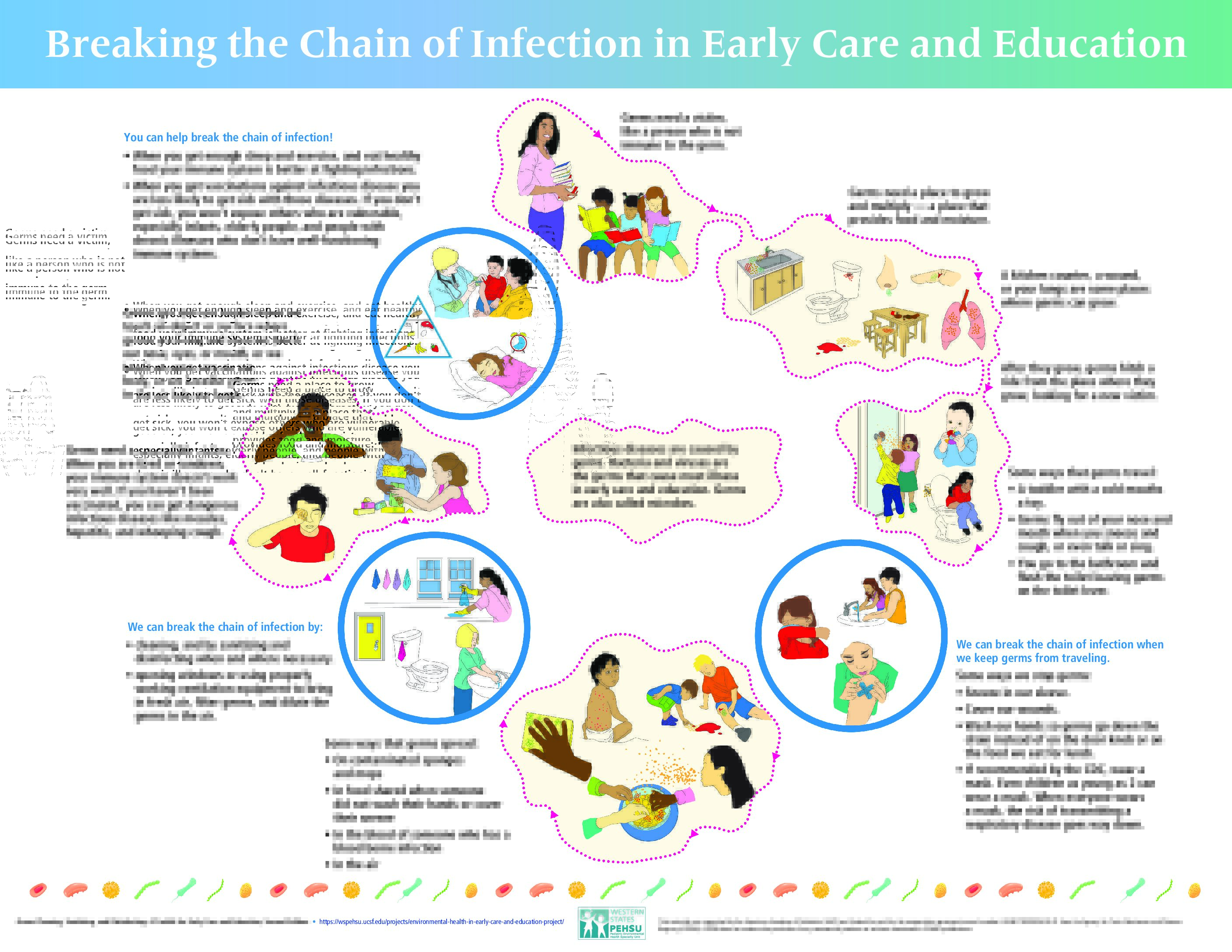
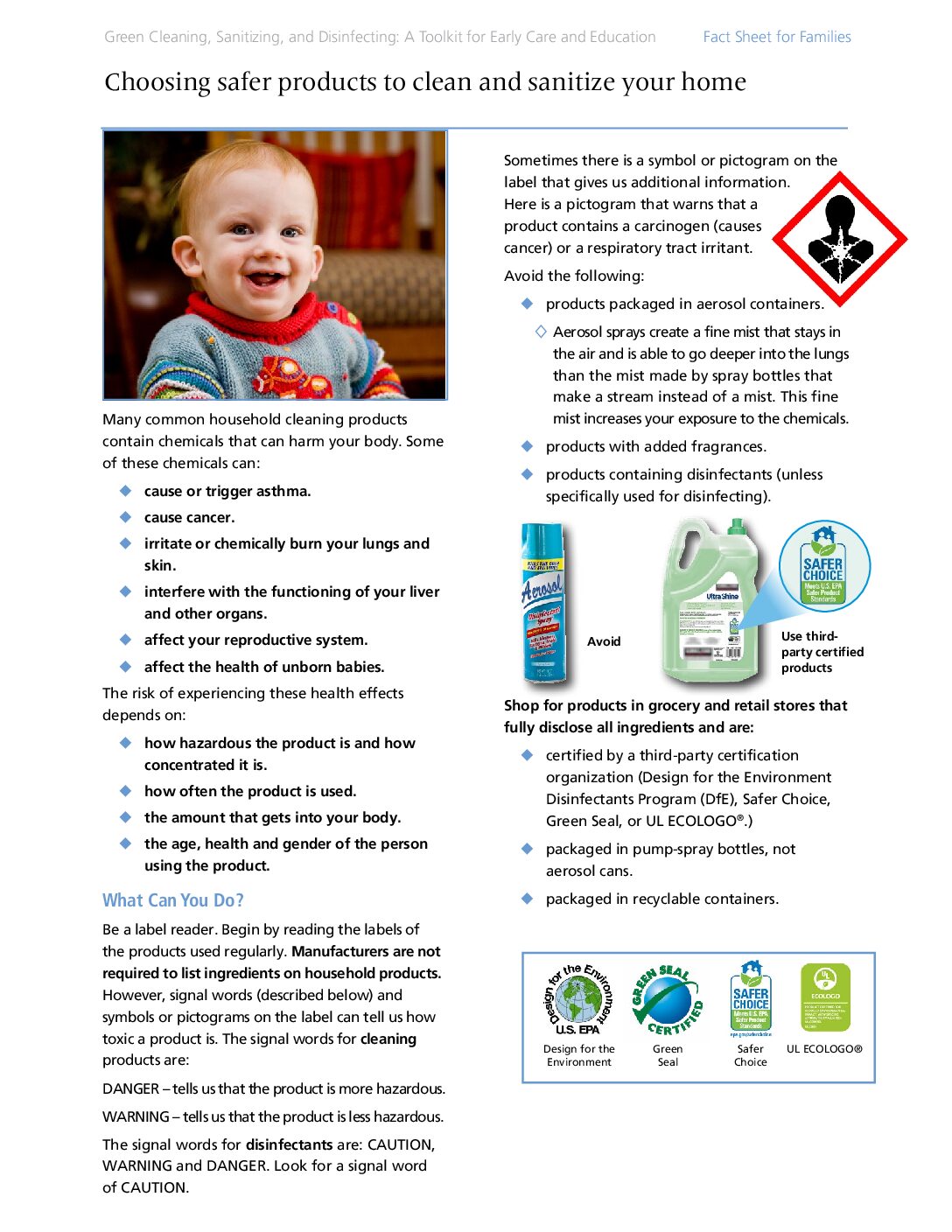
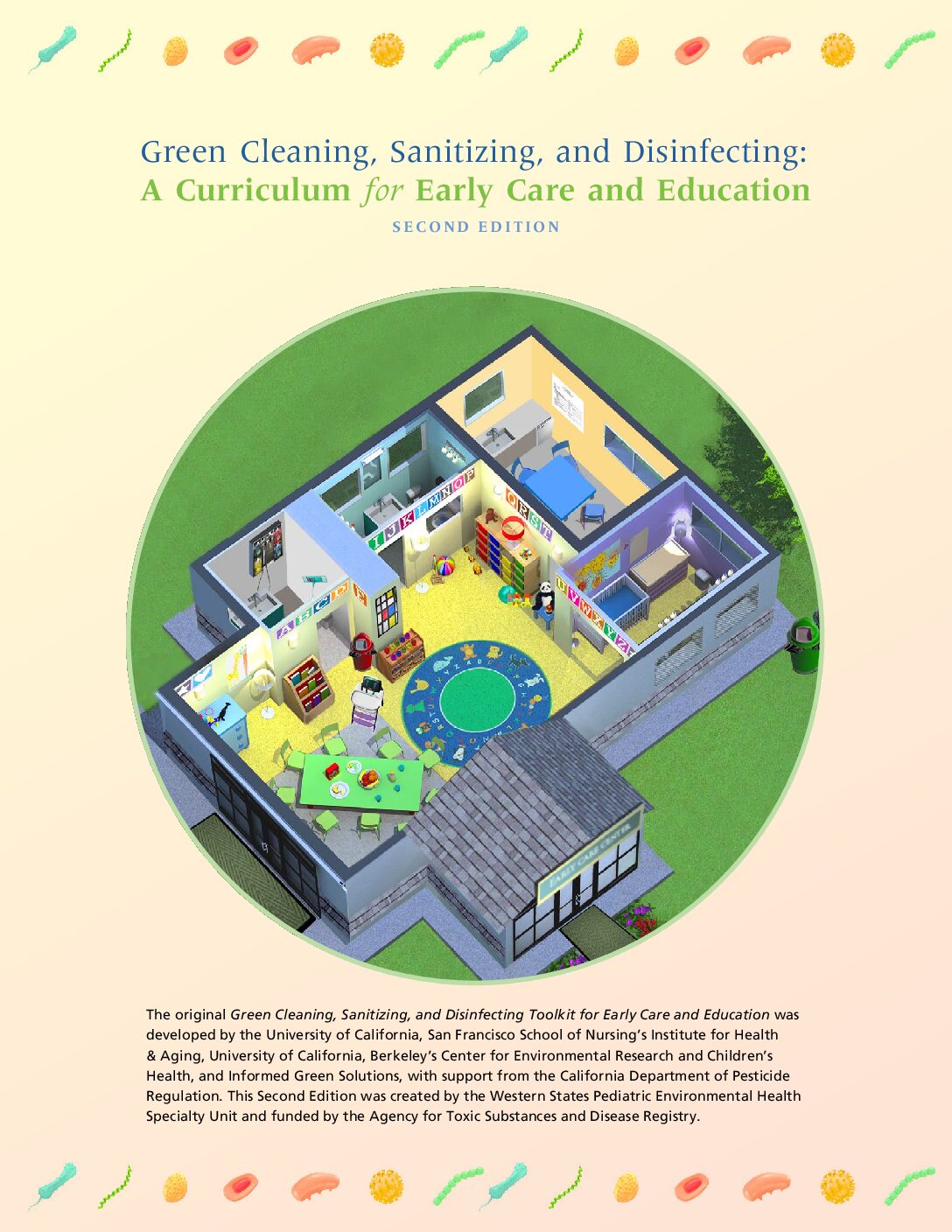
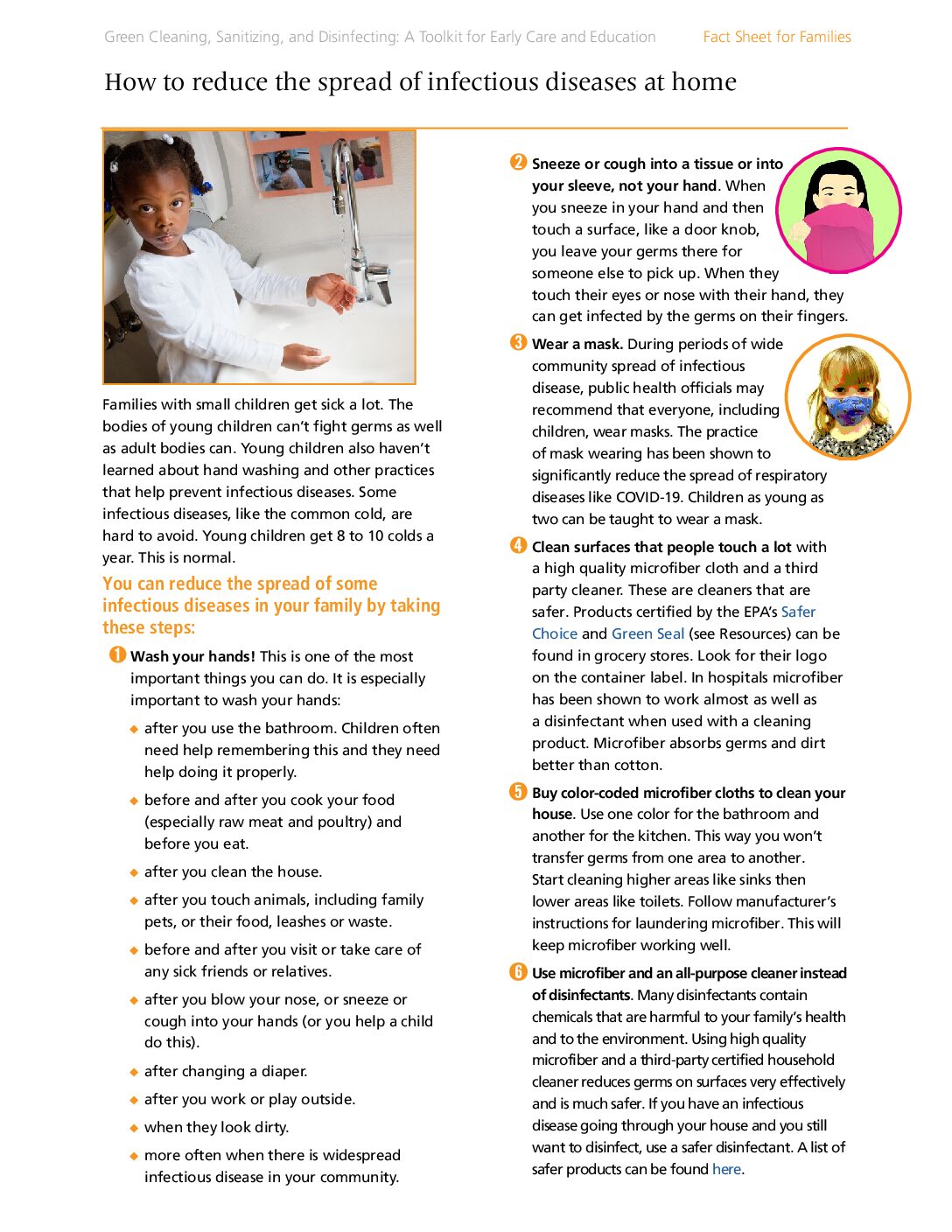
This PowerPoint presentation provides practical information on maintaining clean and safe early care environments using less hazardous practices and products to protect young children and staff from infectious diseases.
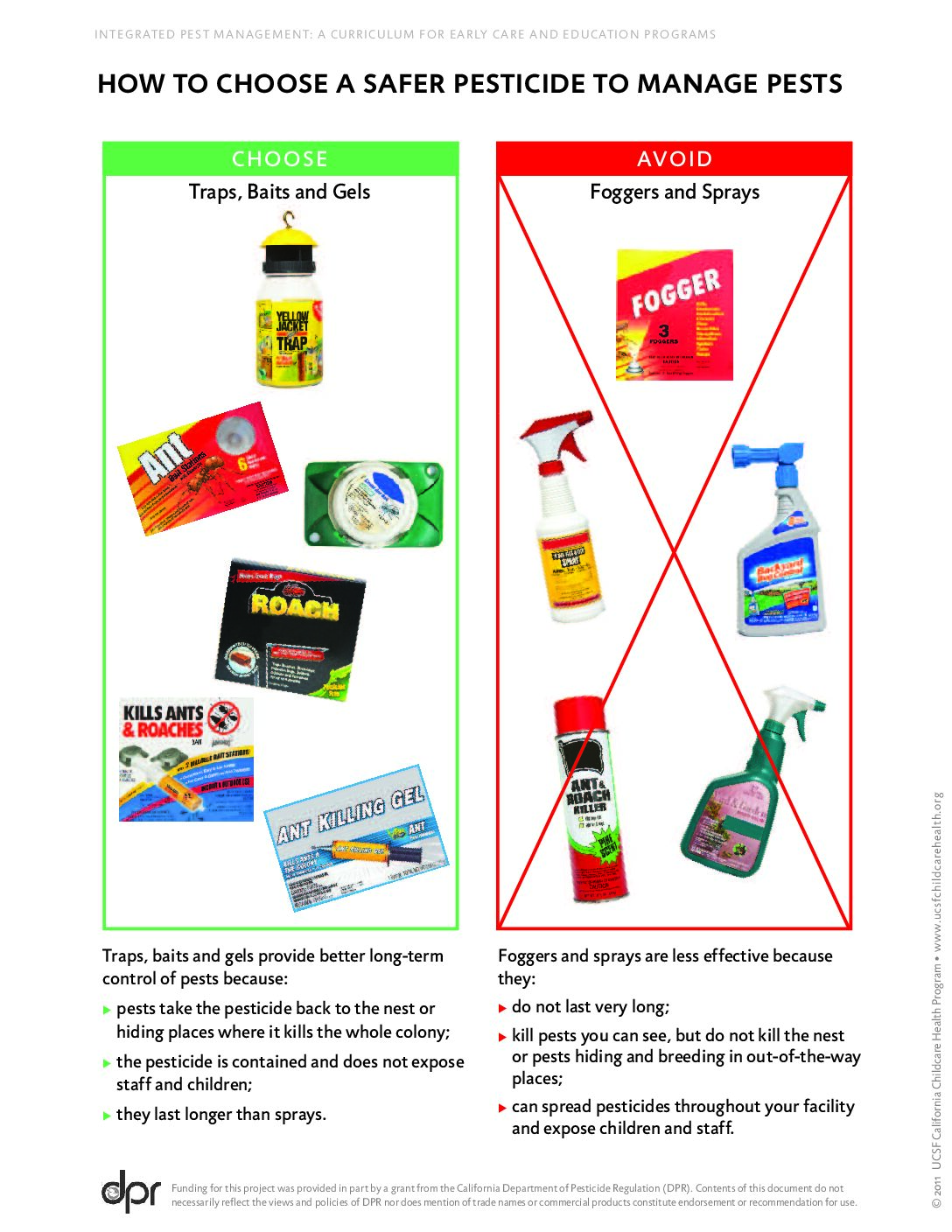
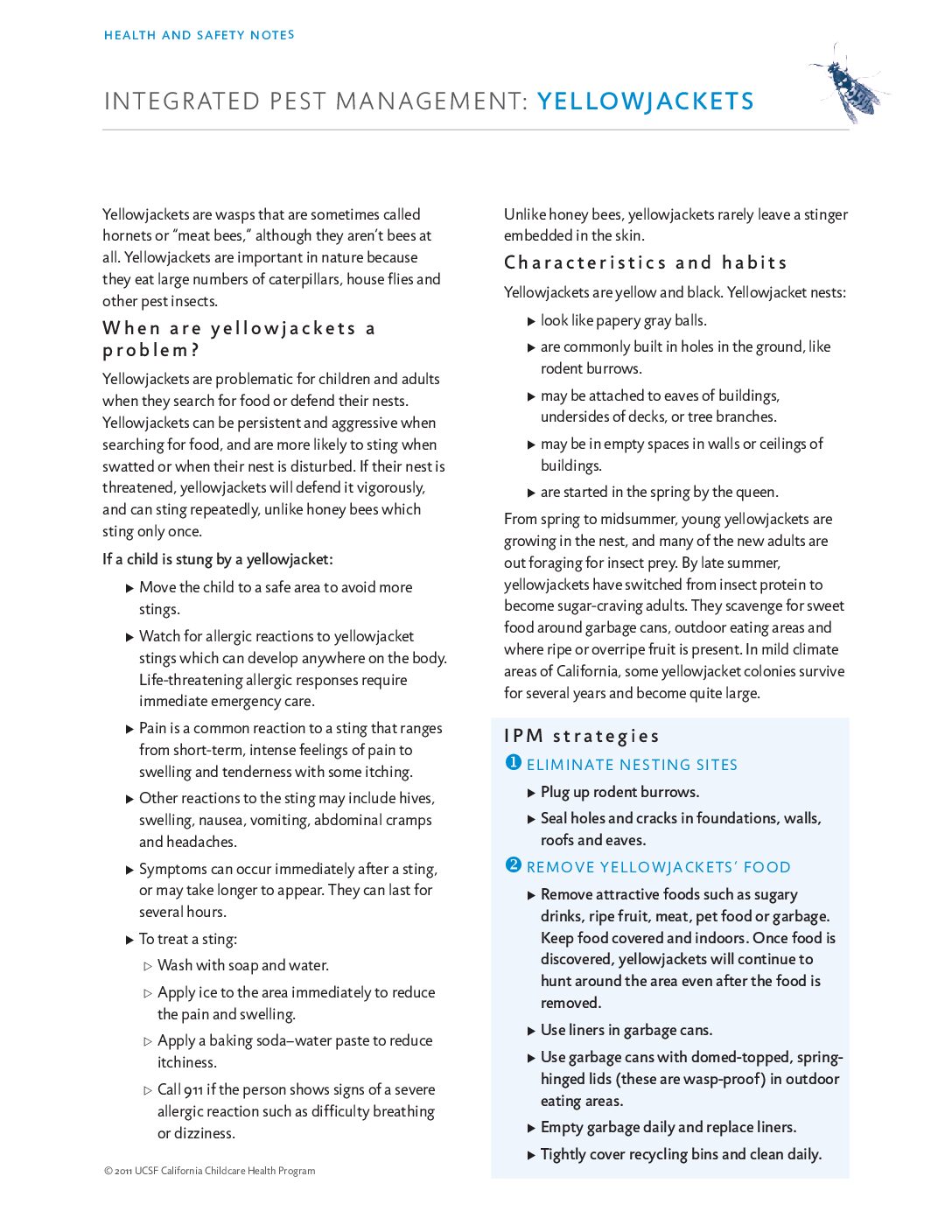
This factsheet provides guidelines for selecting pest management professionals that prioritize safety and effective pest control methods such as integrated pest management (IPM).
This factsheet explores the benefits and potential contaminants in human milk, offering recommendations for safer consumption to protect both infant and maternal health.
Particles and Nitrogen Oxides Environmental Exposure: This factsheet discusses the health impacts of particulate matter and nitrogen oxides from combustion processes, offering strategies to monitor air quality and reduce personal exposure.
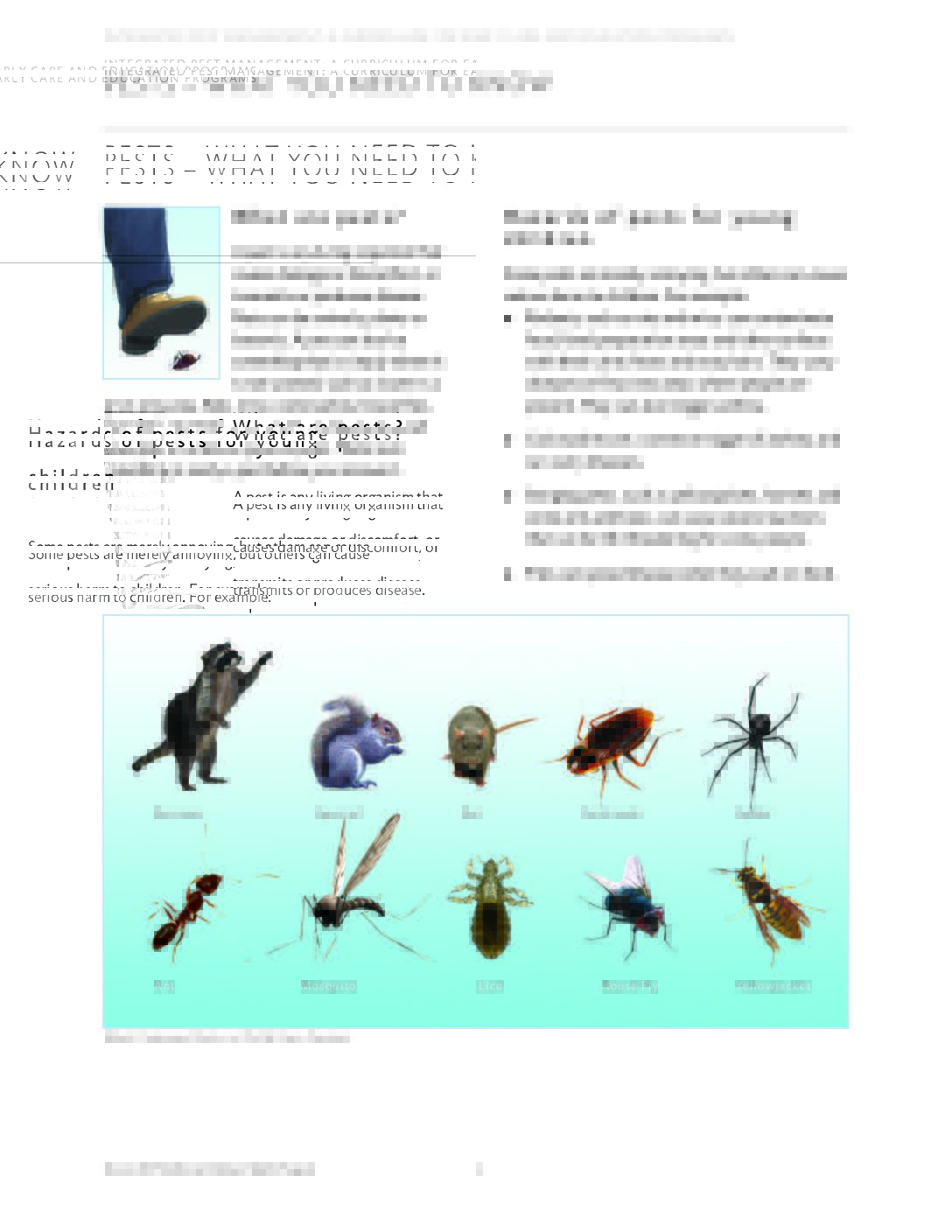
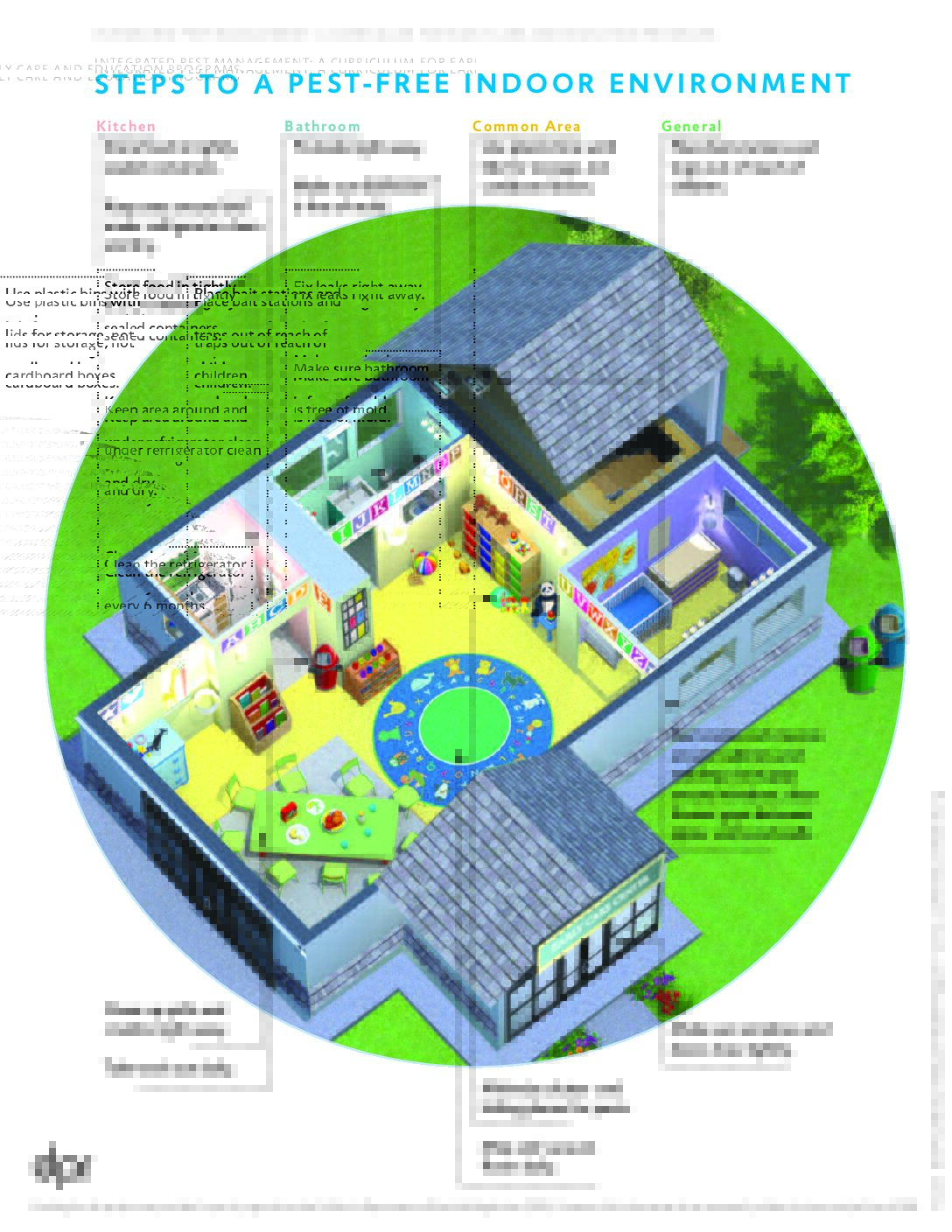
This serves as a comprehensive toolkit for early care and education programs, detailing strategies to prevent and manage pest problems through a combination of prevention, monitoring, record-keeping, and control methods, while minimizing the use of hazardous chemicals.
This document provides strategies for early care and education programs to manage ant infestations safely, emphasizing prevention, sanitation, and non-chemical methods to minimize children’s exposure to harmful pesticides.
This document serves as an introduction to environmental health concepts, focusing on understanding and mitigating health risks with preventative strategies such as integrated pest management (IPM).
Emphasizing integrate pest management (IPM), this document compiles key resources for understanding and addressing environmental health risks associated with pest control in various contexts including early childcare education facilities.
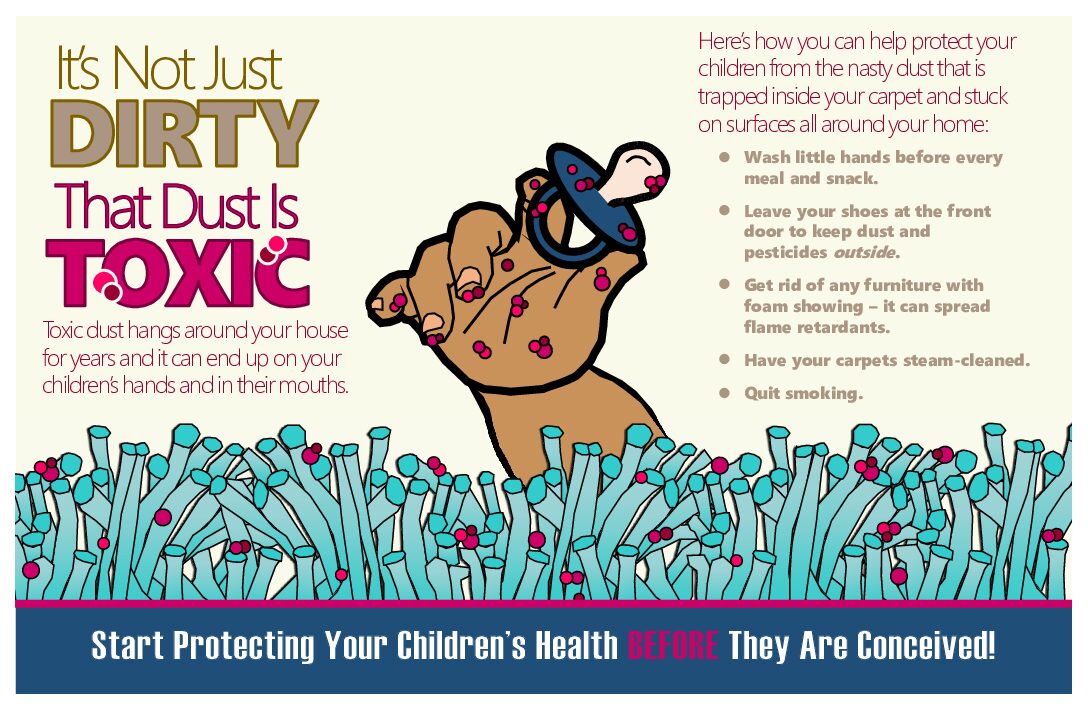
This graphic emphasizes the dangers of household dust contaminated with toxic chemicals, providing practical tips to reduce exposure and protect children’s health.
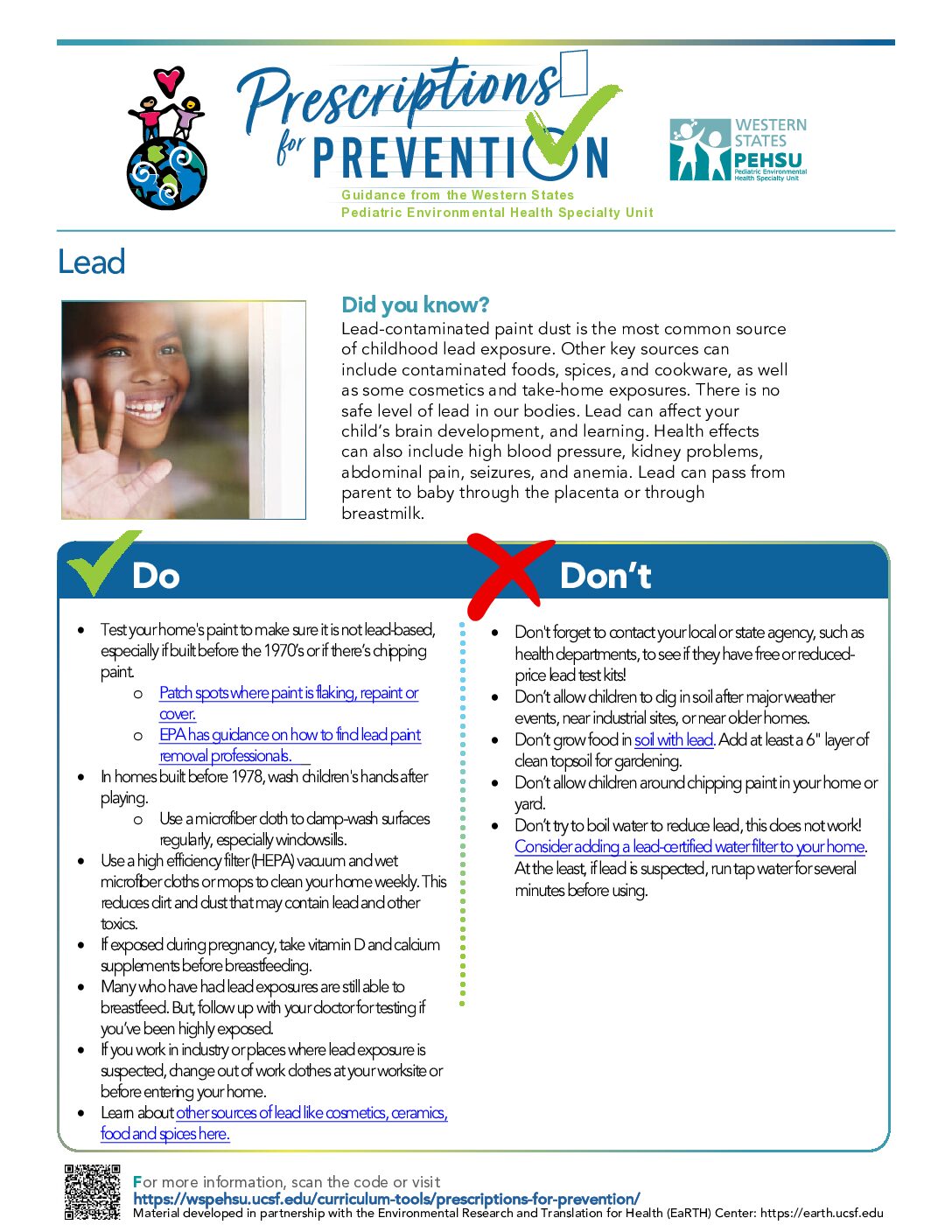
This document provides comprehensive information on the sources of lead exposure, its health effects, and strategies for prevention, emphasizing the importance of public health measures to reduce lead-related risks.
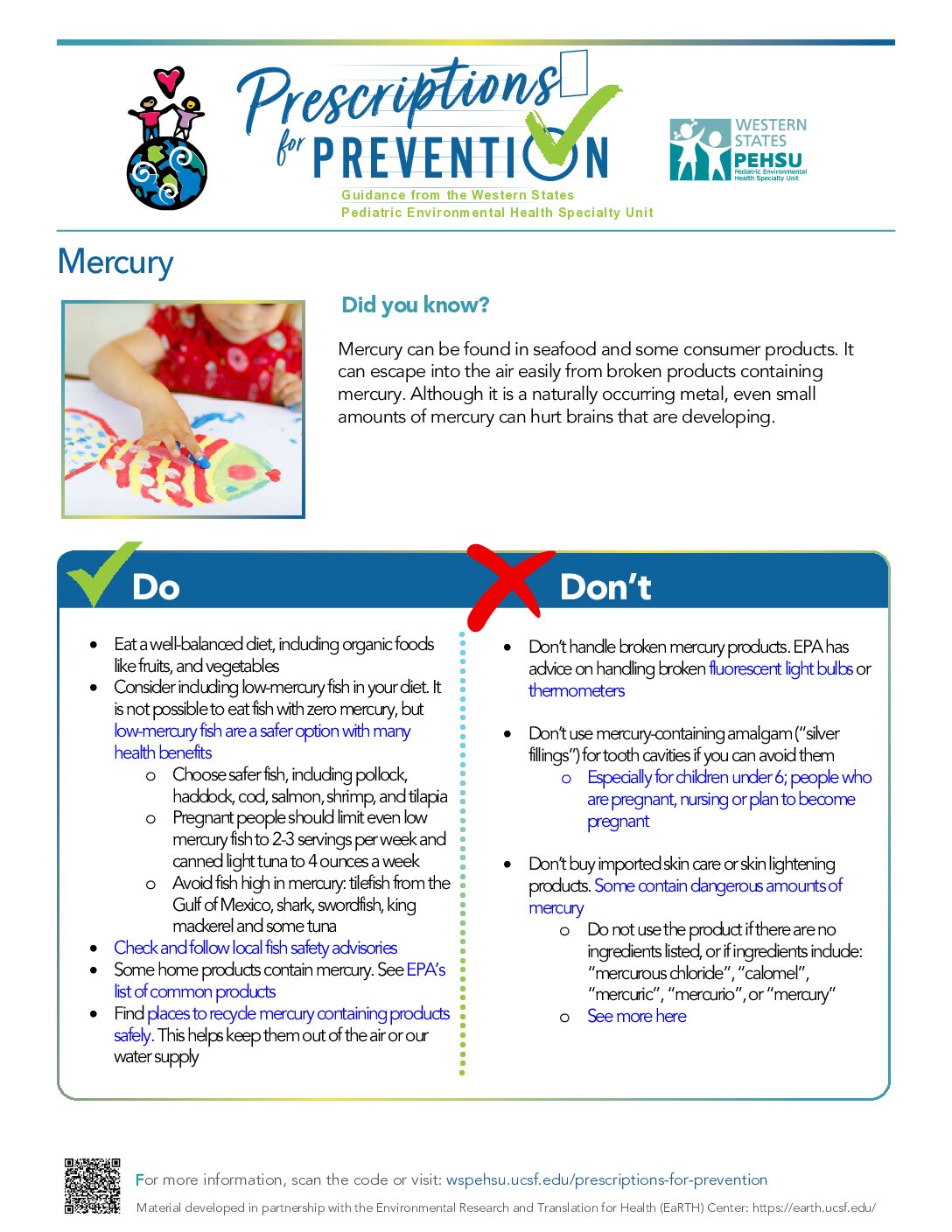
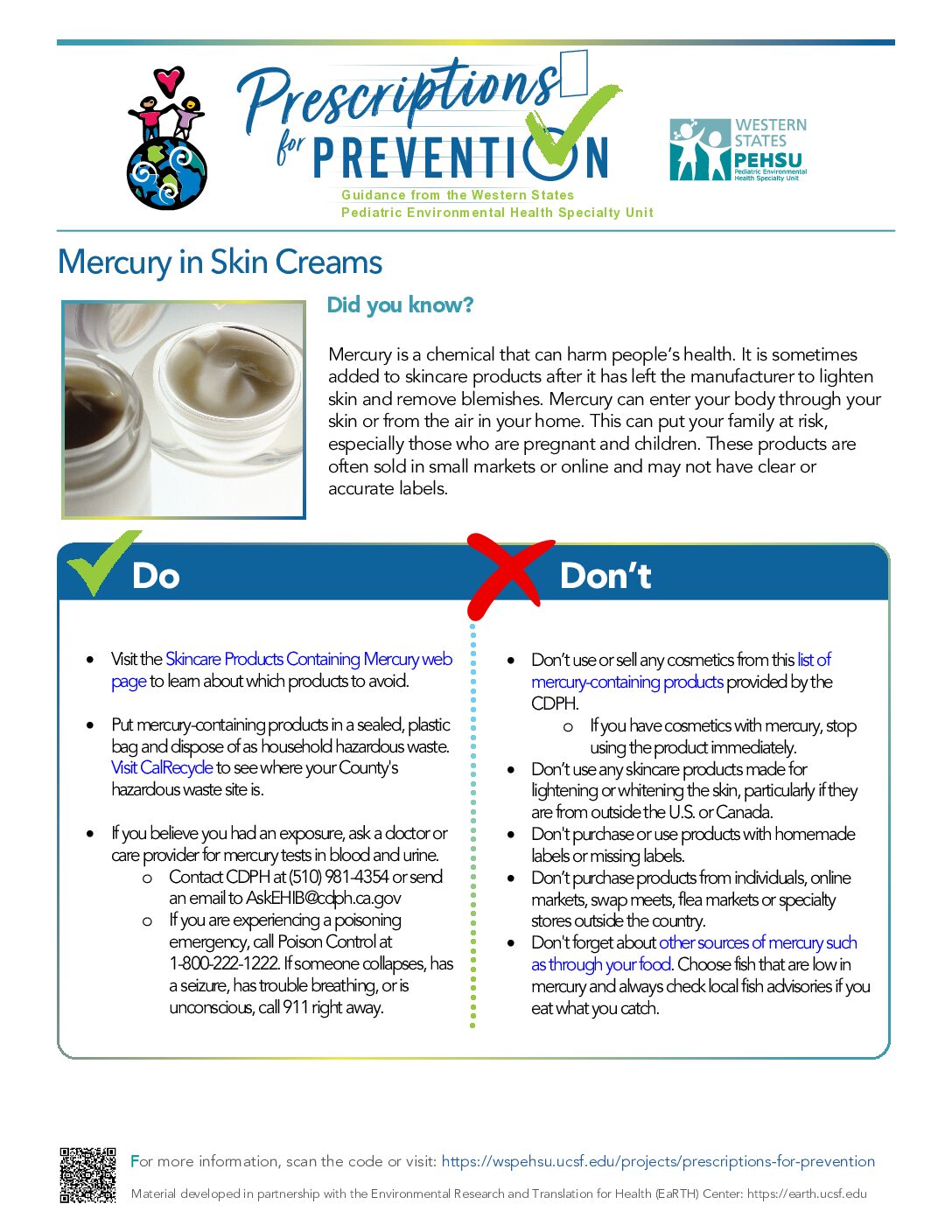
Mercury is a chemical that can harm people’s health. It is sometimes added to skincare products after it has left the manufacturer to lighten skin and remove blemishes. Mercury can enter your body through your skin or from the air in your home.
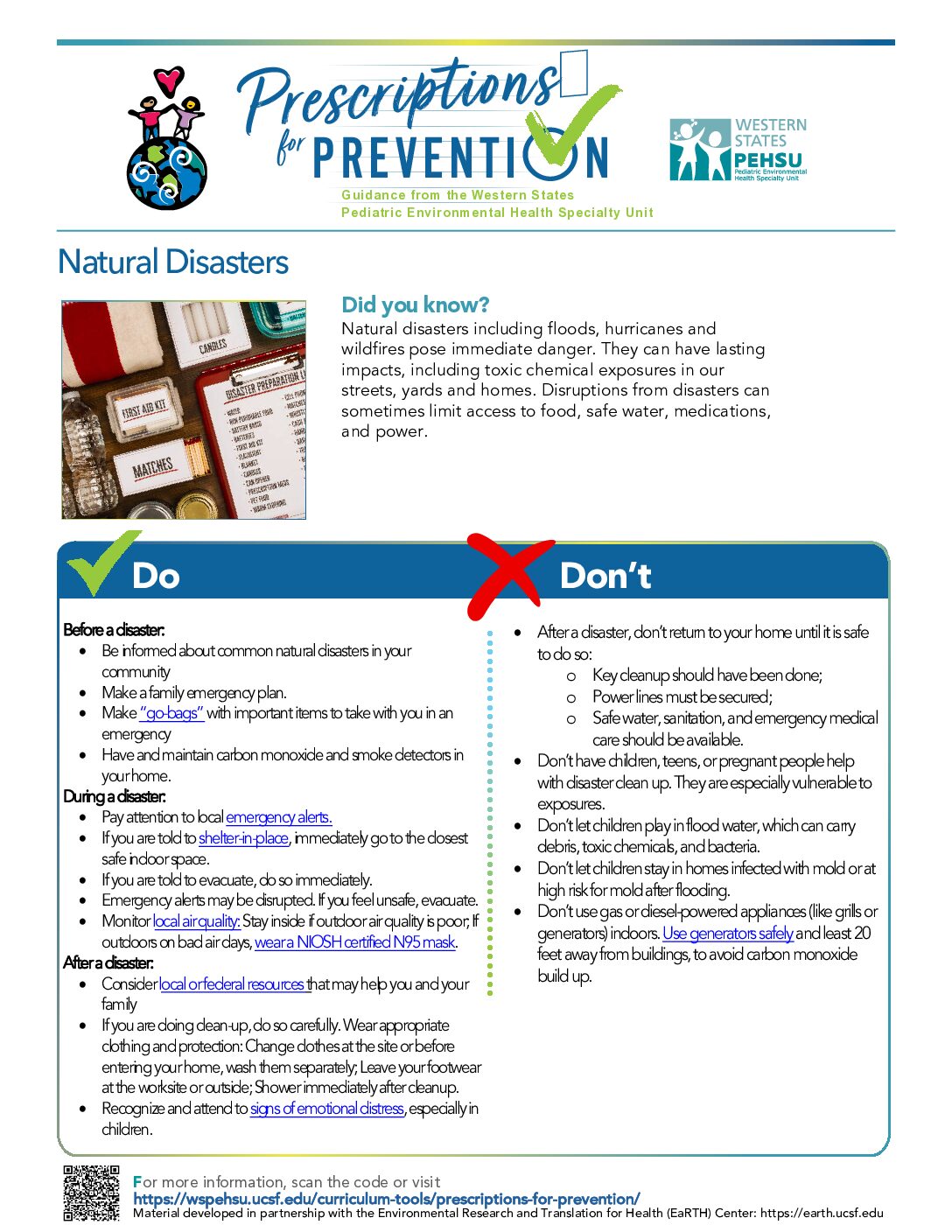
This factsheet highlights environmental health risks during natural disasters and offers preparedness strategies to minimize exposure to harmful contaminants.
This document outlines the risks of nitrate contamination in food and water, especially for infants, and provides steps for testing and reducing exposure.
This factsheet focuses on pollutants affecting outdoor air quality, their health impacts, and actions individuals and communities can take to reduce exposure.
This factsheet discusses the dangers of particulate matter in air pollution, its effects on respiratory and cardiovascular health, and ways to mitigate exposure.
These slides address concerns about environmental exposures to perchlorate, its effects on thyroid function, and potential developmental impacts, emphasizing the importance of thyroid hormones in neurodevelopment and the risks posed by perchlorate contamination in drinking water.
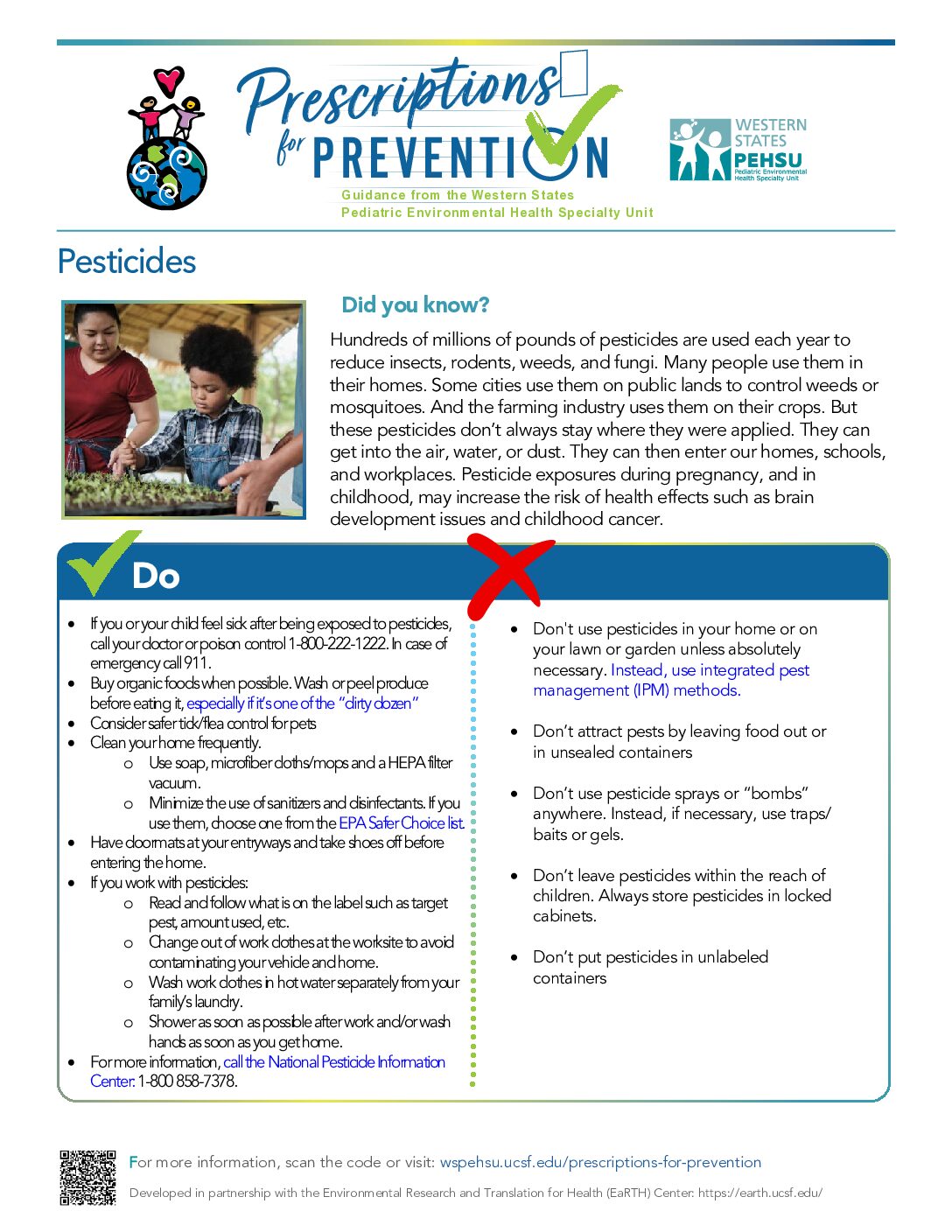
This factsheet discusses the health risks of pesticide exposure, particularly for children, and offers tips for reducing exposure in homes, gardens, and food.
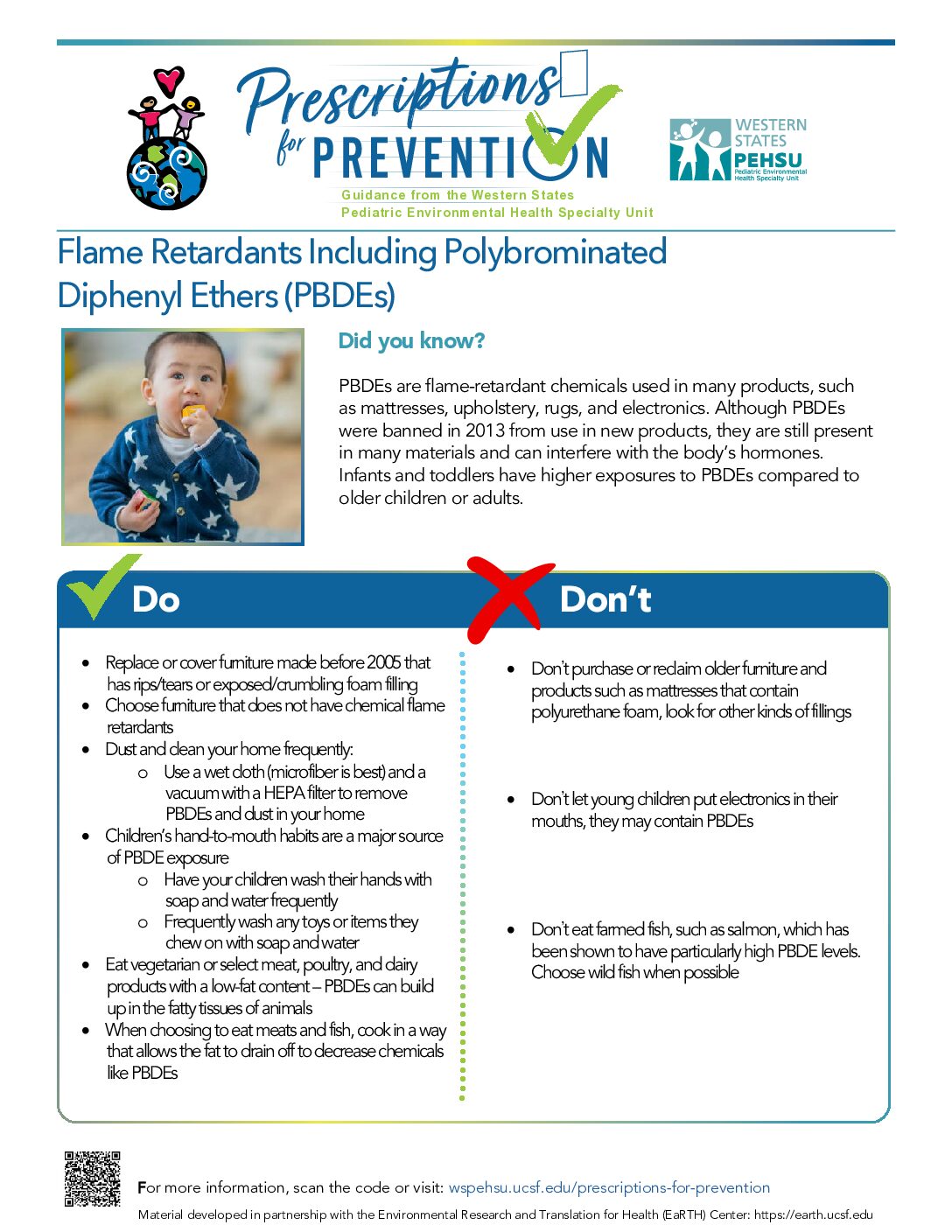
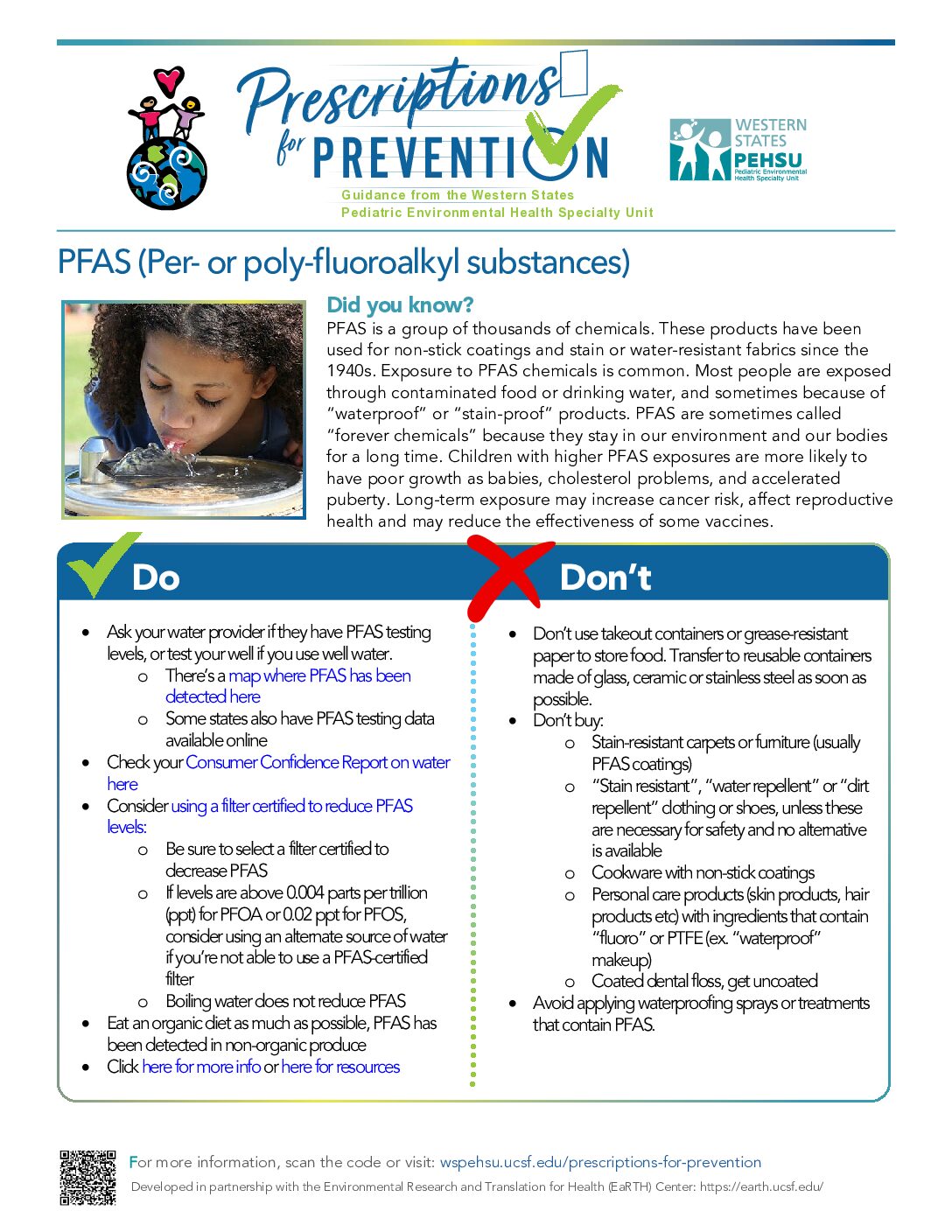
This document highlights the widespread use of PFAS (Per- or poly-fluoroalkyl substances) chemicals, their persistence in the environment, and health concerns, with advice on minimizing exposure.
This factsheet outlines the sources and health risks of phthalates, commonly found in plastics and personal care products, and provides recommendations for avoidance.
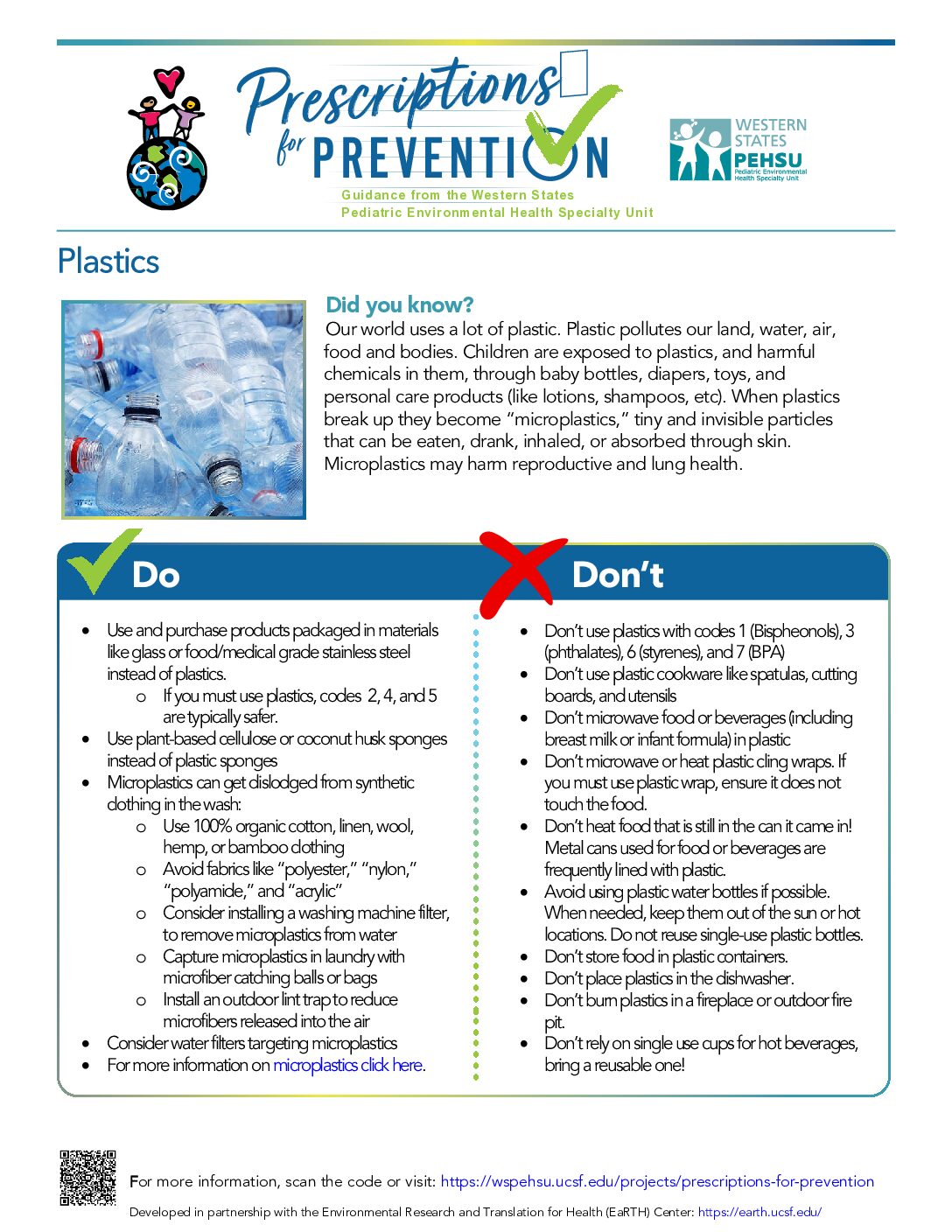
This document examines the environmental and health impacts of plastic use, focusing on microplastics and chemical leaching, with strategies to reduce exposure.
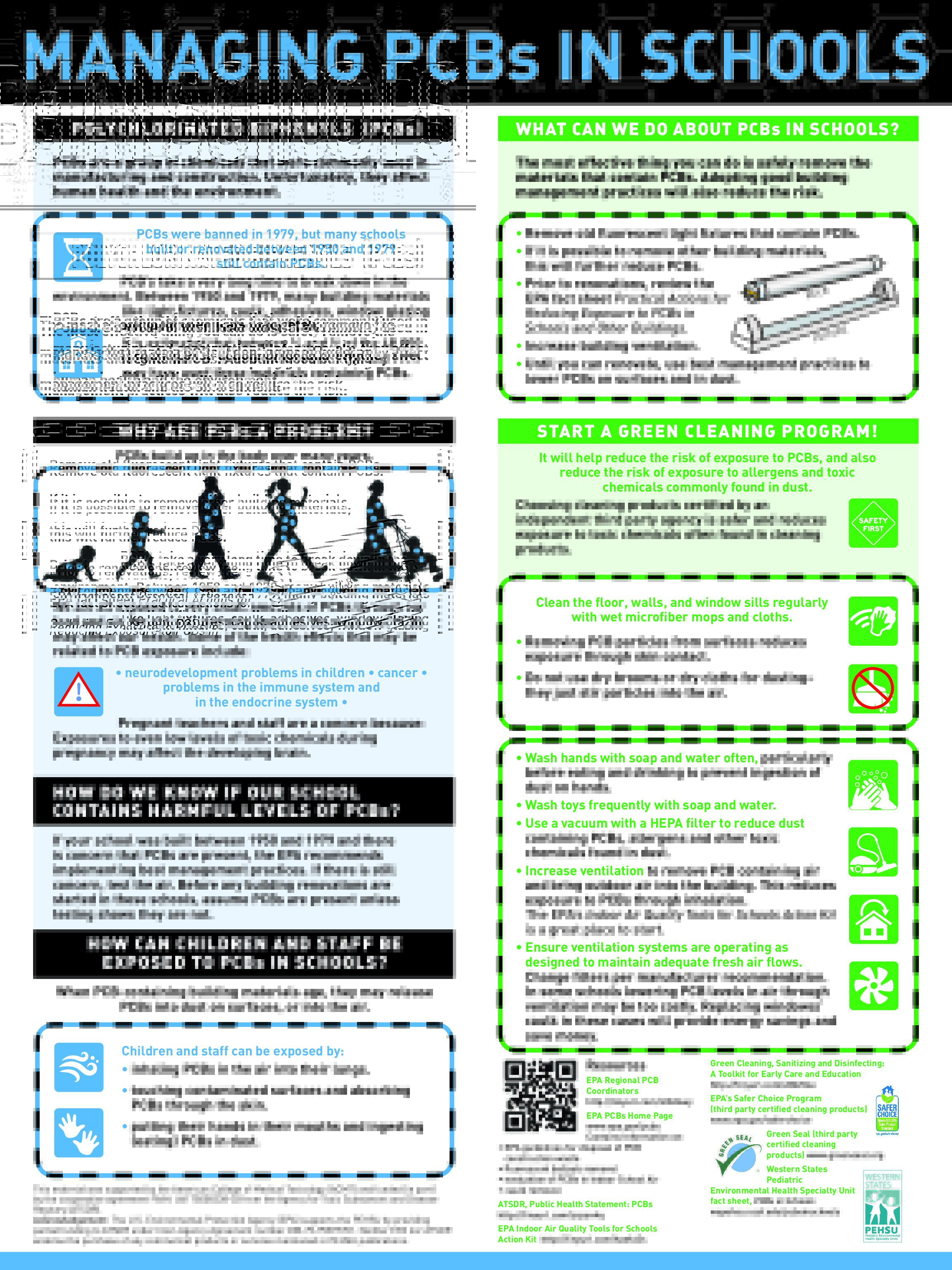
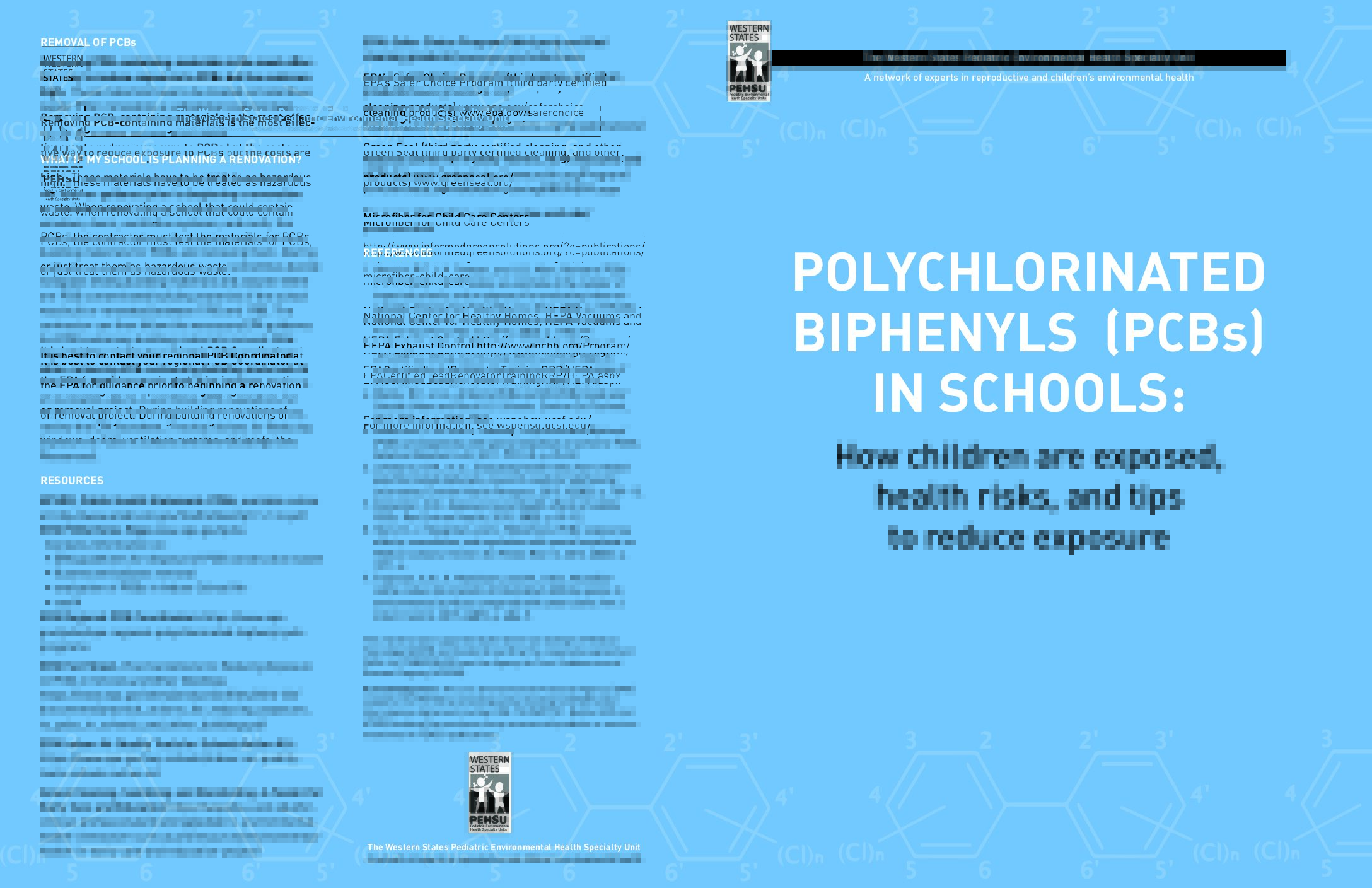
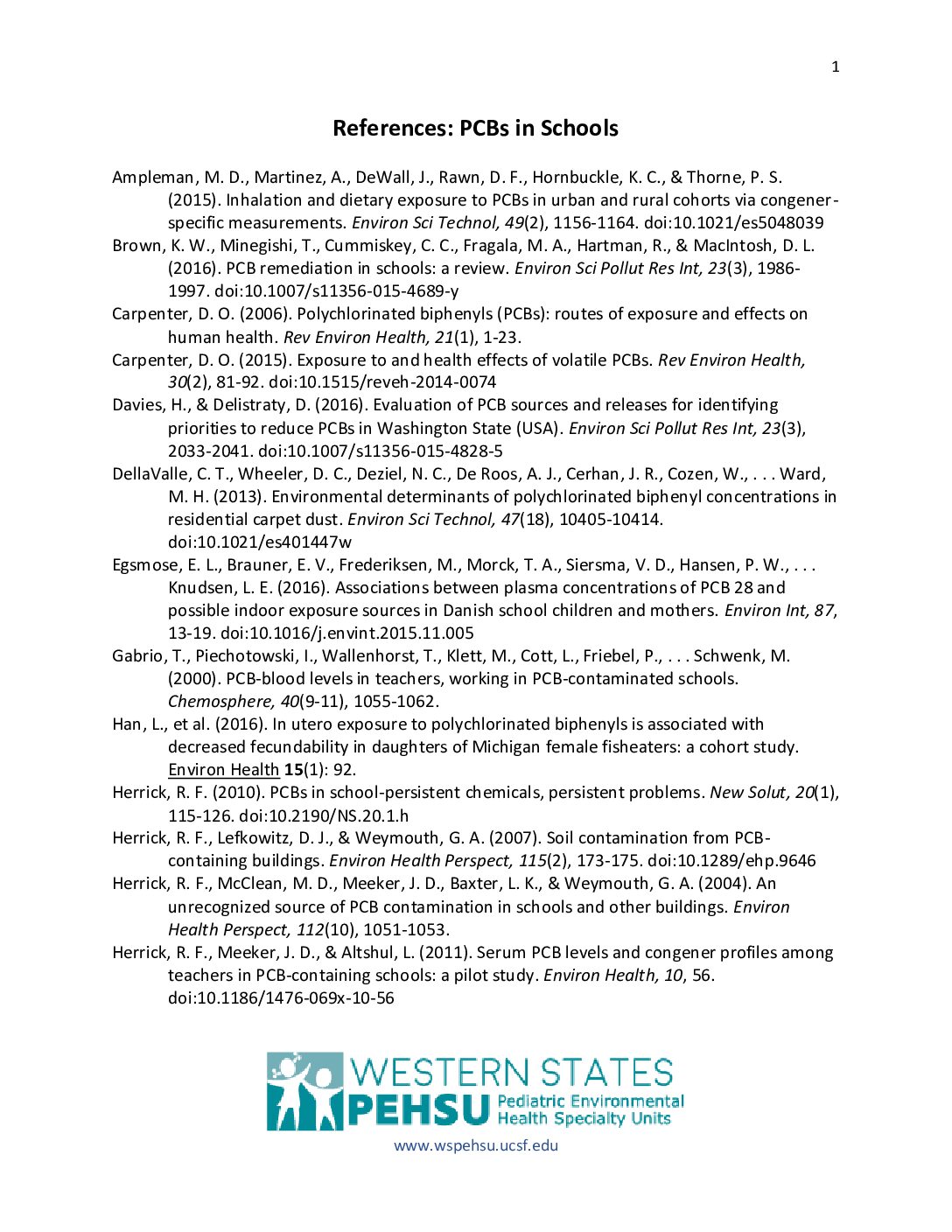
This document covers the history, health risks, and current issues related to Polychlorinated biphenyls (PCBs), dioxins, and furans, advising on strategies to avoid exposure.
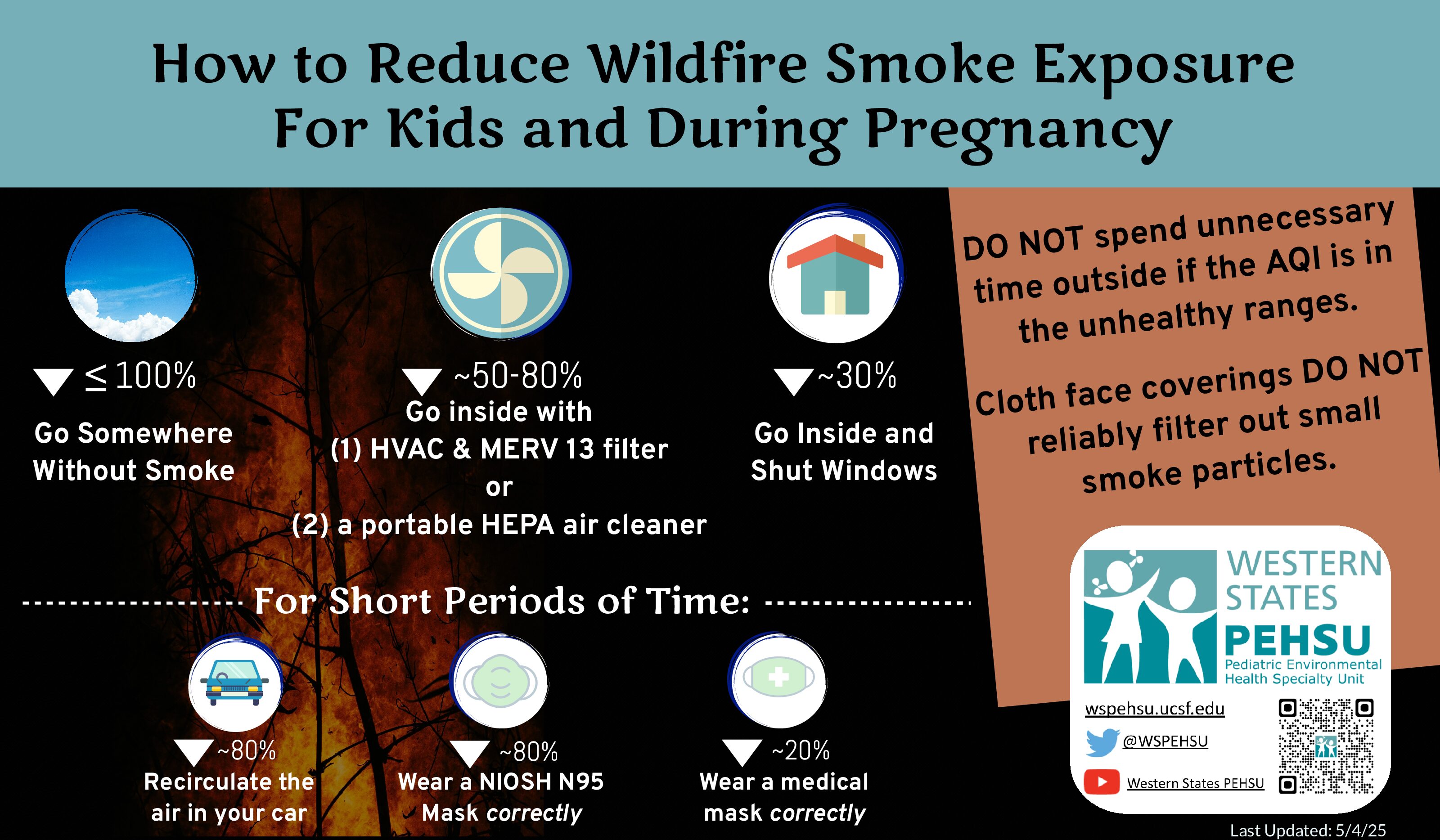
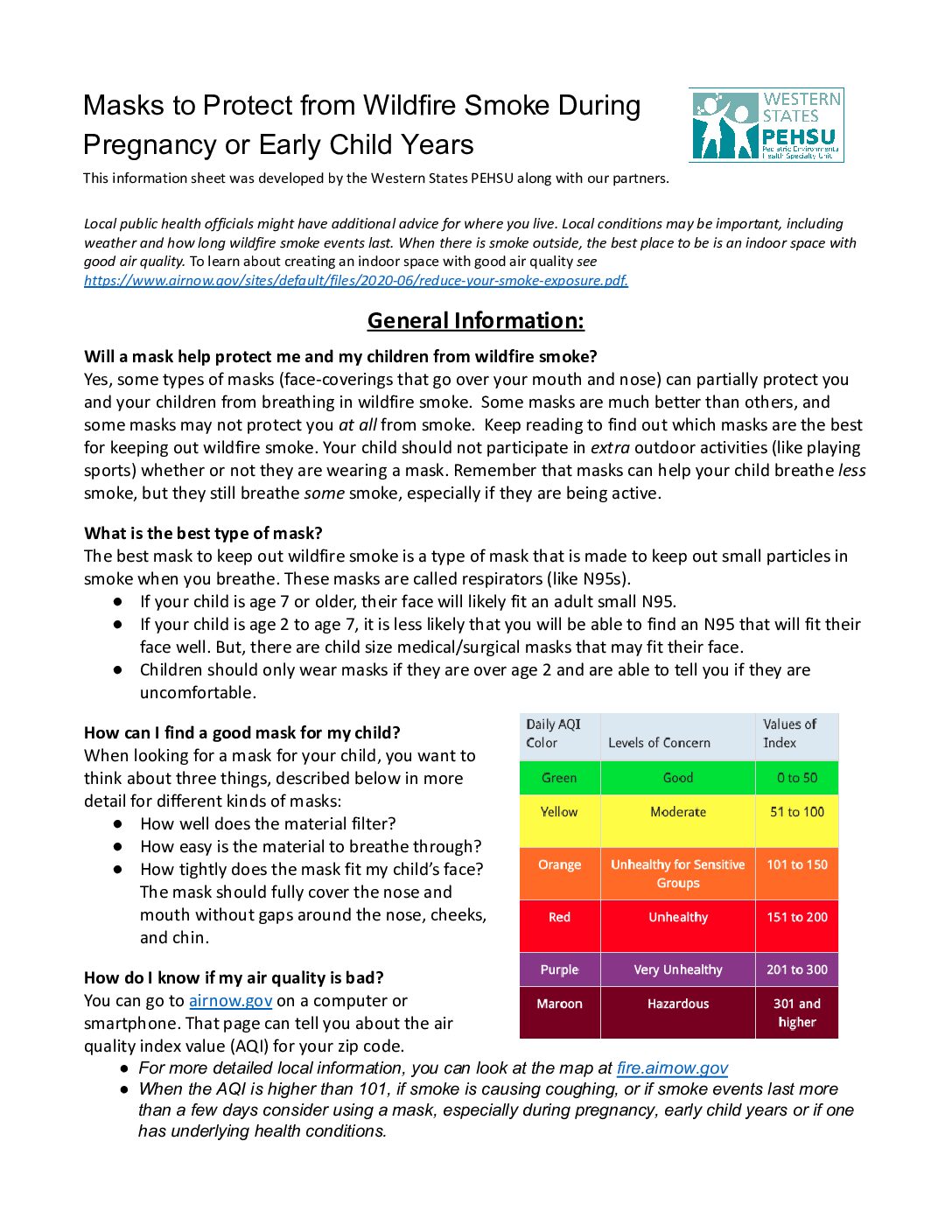
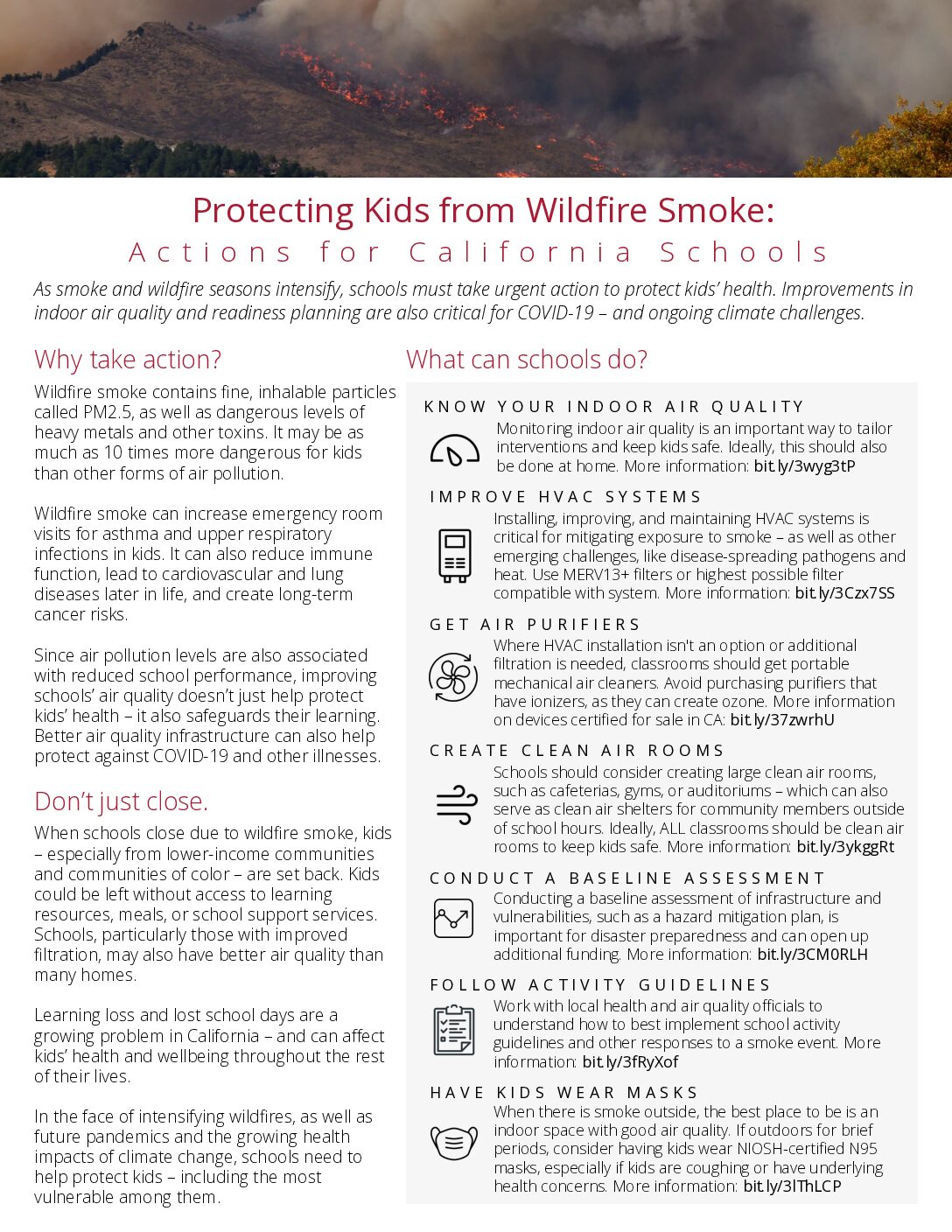
This document provides comprehensive guidelines to help California schools prepare for and respond to wildfire smoke events, including strategies for maintaining indoor air quality, communication protocols, and recommendations for student and staff safety during such incidents.
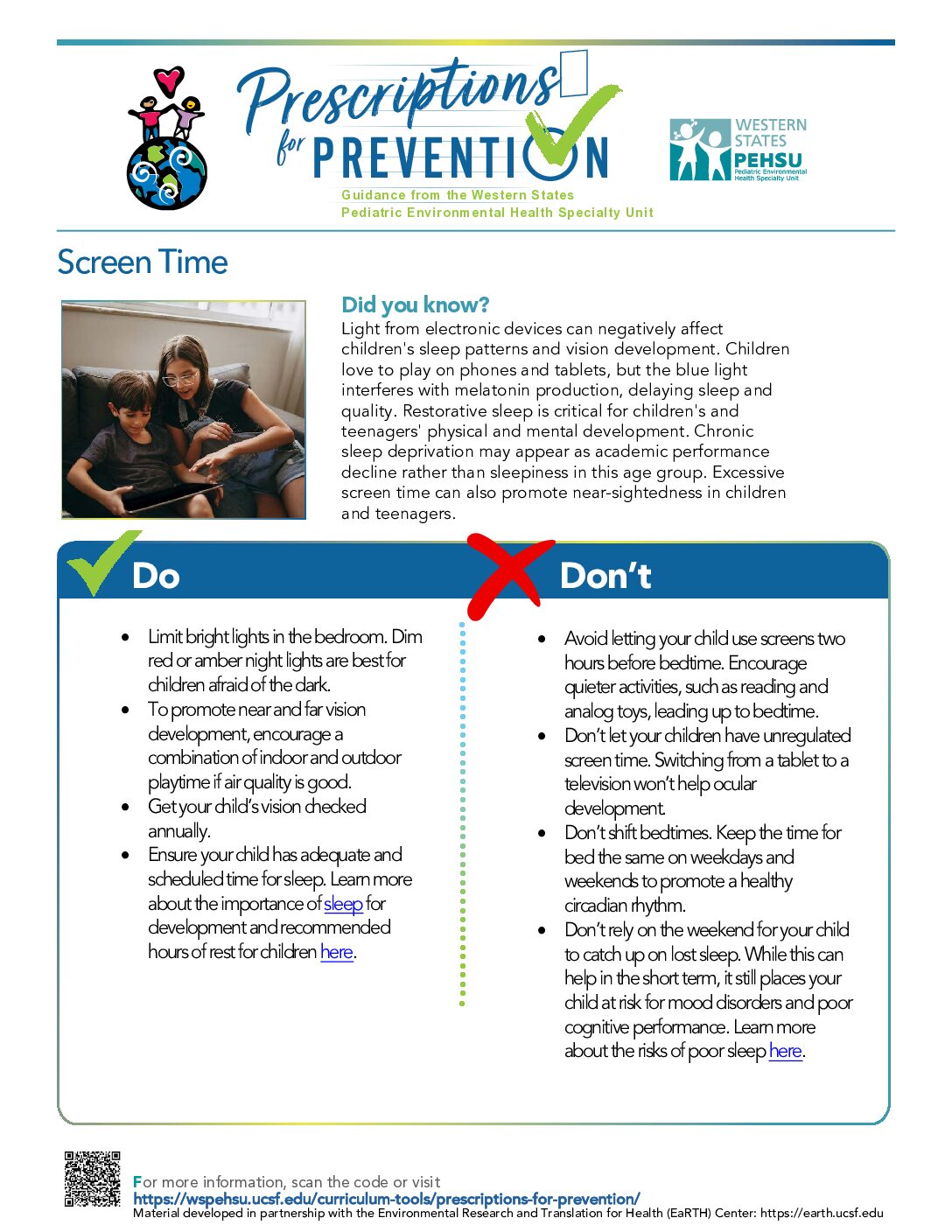
Light from electronic devices can negatively affect children’s sleep patterns and vision development. Blue light interferes with melatonin production, delaying sleep and quality. Excessive screen time can also promote near-sightedness in children and teenagers.
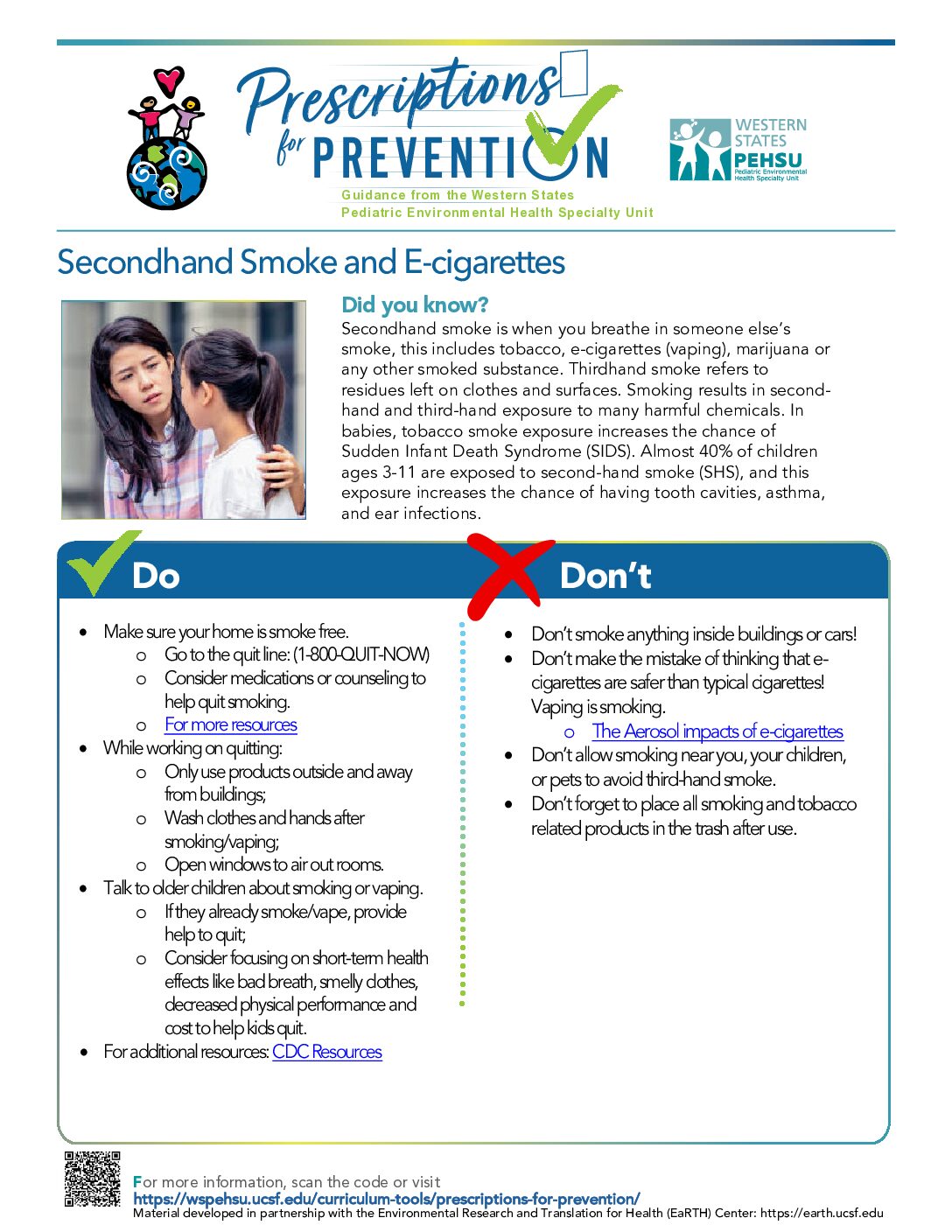
This factsheet discusses the health risks associated with secondhand smoke exposure. It highlights the dangers to both children and adults, provides statistics on exposure rates, and suggests measures to reduce involuntary inhalation of tobacco smoke.